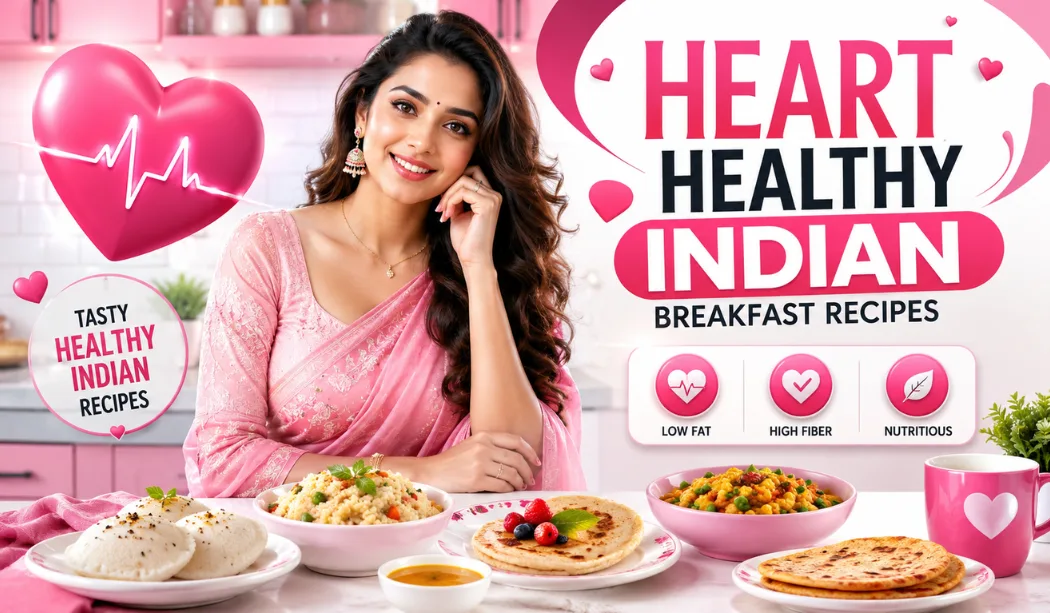
Starting your day with heart healthy Indian breakfast recipes is one of the best ways to boost energy, manage cholesterol, and protect your cardiovascular health. Indian cuisine offers an incredible variety of wholesome, nutrient-rich dishes—from high-protein moong dal chela to fiber-packed oats idlis and vegetable-loaded poha. Made with whole grains, plant proteins, and heart-protective spices like turmeric and mustard seeds, these meals prove that eating for a healthy heart never means sacrificing traditional taste.
Why Choose Heart Healthy Indian Breakfast Recipes?
Traditional Indian cooking relies on whole grains, fresh herbs, and powerful spices like turmeric and mustard seeds. These ingredients help reduce inflammation in arteries and improve blood circulation. Many traditional options are naturally low in saturated fat and high in soluble fiber. Eating heart healthy Indian breakfast recipes vegetarian style helps clear bad cholesterol from the bloodstream before it builds up. Cardiologists frequently point out that soluble fiber acts like a sponge in the digestive tract. It binds to cholesterol particles and carries them out of the body naturally.
What is the Best Indian Breakfast for Heart Health?
The best Indian breakfast for heart health balances dietary fiber, lean plant protein, and healthy fats while keeping sodium low. Steamed options like moong dal chela, oats idli, and vegetable upma top the list. Steaming or light tempering uses minimal oil, which prevents unnecessary calorie intake. Adding colorful vegetables increases potassium levels, helping balance sodium and protect blood vessels.
Key Nutrients for Cardiovascular Wellness
- Soluble Fiber: Found in oats, lentils, and apples; lowers LDL cholesterol.
- Plant Protein: Keeps hunger steady and supports muscle growth without saturated fat.
- Antioxidants: Turmeric, ginger, and curry leaves fight oxidative stress in arteries.
Read Also: Quick Gluten Free Indian Breakfast Recipes for Everyday
Top 10 Heart Healthy Indian Breakfast Recipes

Here are ten easy, nutrient-packed options that deliver great taste and maximum cardiovascular protection every morning.
1. High-Protein Moong Dal Chela
Moong dal chela is a savory pancake made from soaked split yellow or green lentils. It provides a great option for a protein rich heart healthy breakfast India loves for its simplicity. Blend soaked moong dal with ginger and green chilies, spread thin on a warm skillet, and cook with a drop of cold-pressed oil.
2. Fiber-Packed Oats Vegetable Idli
Replacing white rice with rolled oats transforms traditional idlis into low cholesterol Indian breakfast recipes. Oats contain beta-glucan, a special fiber known to lower cholesterol. Mix dry-roasted oats powder with low-fat yogurt, grated carrots, and mustard seeds, then steam until soft.
3. Steamed Vegetable Poha with Sprouted Beans
Poha made with flattened rice and mixed veggies offers a light, energizing start. Adding boiled sprouts increases protein and fiber for better heart protection. Sauté mustard seeds, curry leaves, onions, peas, and turmeric, then toss with rinsed poha and fresh lemon juice.
4. Vegetable Dalia Upma (Broken Wheat)
Broken wheat (dalia) digests slowly, keeping blood sugar stable and energy steady throughout the morning. Cook broken wheat with chopped beans, carrots, and peas in a well-seasoned pot for a hearty, fiber-rich meal.
5. Multigrain Thalipeeth
Thalipeeth is a traditional flatbread made with a mix of jowar, bajra, and besan (chickpea flour). These whole grains provide essential minerals like magnesium and potassium. Knead the flours with chopped onions, coriander, and warm water, then pat directly onto a warm pan and cook lightly.
6. Ragi (Finger Millet) Dosa
Ragi contains high amounts of calcium and fiber, making it an excellent grain for arterial health and blood pressure control. Mix ragi flour with a little rice flour and buttermilk, let it sit briefly, and pour thin crisp dosas.
7. Besan Chela with Spinach and Seeds
Besan (chickpea flour) offers a fantastic grain-free base packed with complex carbohydrates and protein. Add finely chopped spinach and flaxseeds to besan batter for an extra boost of omega-3 fatty acids.
8. Sprouts Salad with Paneer and Lemon
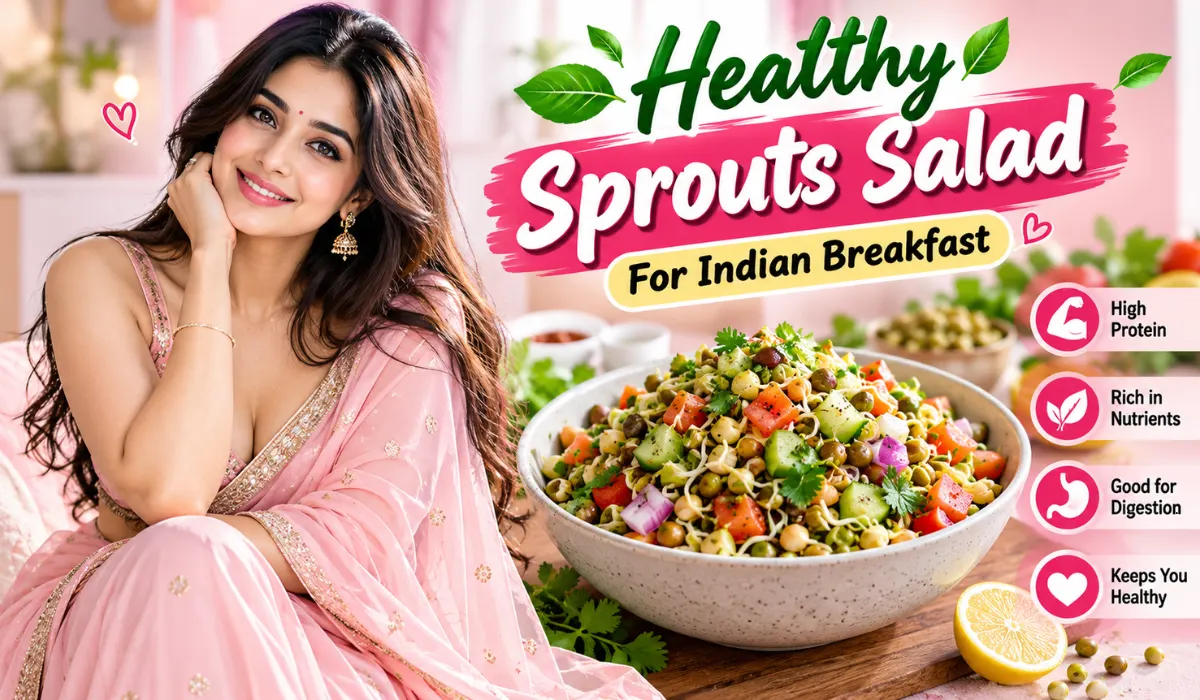
For mornings without cooking, a fresh sprout salad provides maximum live enzymes and vitamins. Combine sprouted moong, diced low-fat paneer, cucumbers, tomatoes, chaat masala, and fresh lemon juice.
9. Methi (Fenugreek) Missi Roti
Fenugreek leaves naturally help manage blood glucose and support healthy lipid levels. Knead whole wheat flour and besan with fresh methi leaves, carom seeds, and a touch of turmeric, then roll and cook without butter.
10. Quaker Oats Porridge with Cinnamon and Nuts
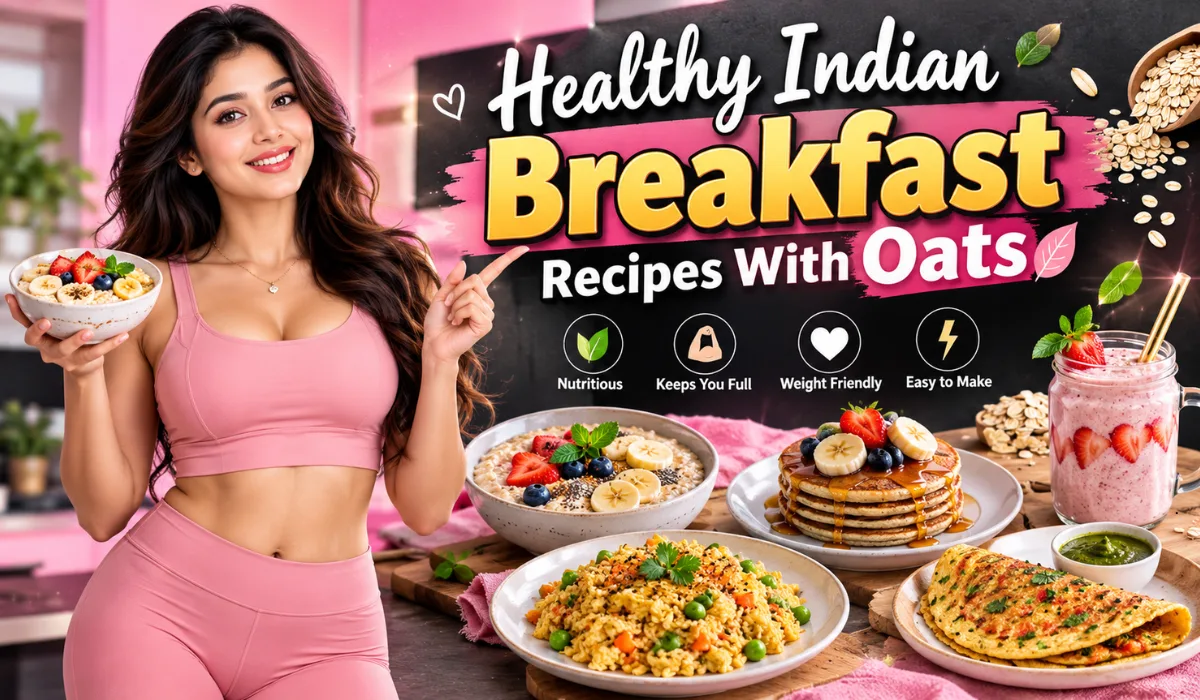
A warm bowl of oats prepared with low-fat milk, cinnamon, and walnuts delivers essential omega-3 fats. Simmer oats in milk or water, top with chopped almonds, and skip refined sugar in favor of fresh berries.
Read Also: Traditional Homemade Indian Breakfast Recipes for a Healthy Morning
How to Make Heart Healthy Indian Breakfast Recipes at Home
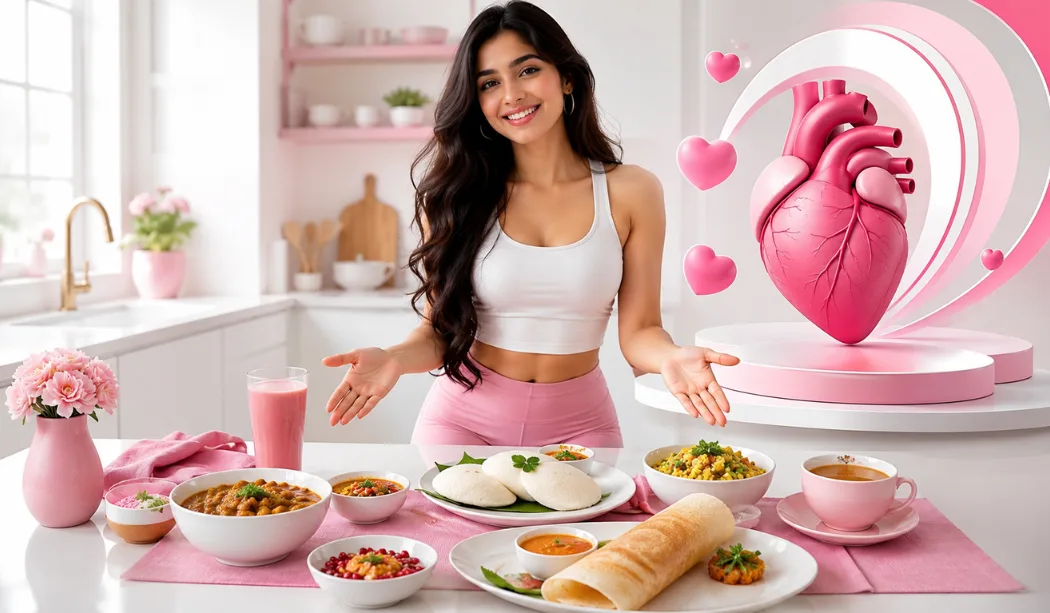
Cooking meals at home gives full control over oil quality, salt amounts, and portion sizes. Simple swaps turn traditional dishes into powerhouses for blood vessel health.
Smart Cooking Tips for Daily Success
- Limit Sodium: Use fresh herbs, lemon juice, and green chilies to add flavor instead of extra salt.
- Pick Healthy Fats: Use small quantities of mustard oil, sesame oil, or olive oil instead of butter or ghee.
- Add Fiber Early: Mix grated zucchini, carrots, or leafy greens into batters and doughs.
Simple 7 Days Healthy Breakfast Indian Plan
Planning meals ahead reduces morning stress and ensures nutritious choices every single day of the week.
- Monday: High-protein moong dal chela with mint chutney.
- Tuesday: Steamed oats and vegetable idli with sambar.
- Wednesday: Vegetable dalia upma loaded with green peas and carrots.
- Thursday: Ragi dosa served with tomato-garlic chutney.
- Friday: Vegetable poha vs plain poha—choose vegetable poha topped with boiled sprouts.
- Saturday: Besan and spinach chela sprinkled with chia seeds.
- Sunday: Multigrain thalipeeth cooked with minimal cold-pressed oil.
This 7 days healthy breakfast Indian schedule offers simple variety while keeping cholesterol and blood pressure managed naturally.
Homemade Breakfast vs Packaged Cereal
Understanding homemade breakfast vs packaged cereal helps in making smarter morning grocery choices.
| Feature | Homemade Indian Breakfast | Packaged Breakfast Cereal |
| Added Sugar | Zero or minimal | Highly hidden |
| Preservatives | None | Common for shelf life |
| Fiber Quality | Whole grains, vegetables | Processed, synthetic fiber |
| Satiety Level | Keeps you full for hours | Quick hunger spike |
Choosing freshly prepared easy heart healthy Indian breakfast recipes guarantees clean nutrients without hidden sugars or chemical additives.
Read Also: Best Indian Breakfast For Pregnancy: Top 10 Healthy Recipes
Expert Insights on Cardiac Nutrition
Nutritionists and preventative cardiologists agree that early morning choices impact long-term vascular health.
"Replacing refined carbohydrates with legumes and whole grains at breakfast significantly improves insulin sensitivity and reduces cardiovascular risks." — Clinical Nutrition Guidelines for Preventative Cardiology
Focusing on healthy Indian breakfast for cholesterol control helps reduce long-term dependence on medications while improving daily vitality.
Frequently Asked Questions
Which Indian breakfast is best for high blood pressure?
Steamed, low-sodium dishes like oats idli, moong dal chela, and vegetable upma are ideal. They contain potassium and fiber, which help regulate blood pressure levels naturally.
Can heart patients eat poha every day?
Yes, provided it includes plenty of green vegetables, minimal salt, and added sprouts for extra protein. Choose red or thick poha over refined white varieties for better fiber content.
What is the fastest heart-healthy Indian breakfast?
A fresh sprouts salad with lemon juice, cucumbers, and flaxseeds takes less than five minutes to prepare and requires zero cooking while offering maximum nutritional value.