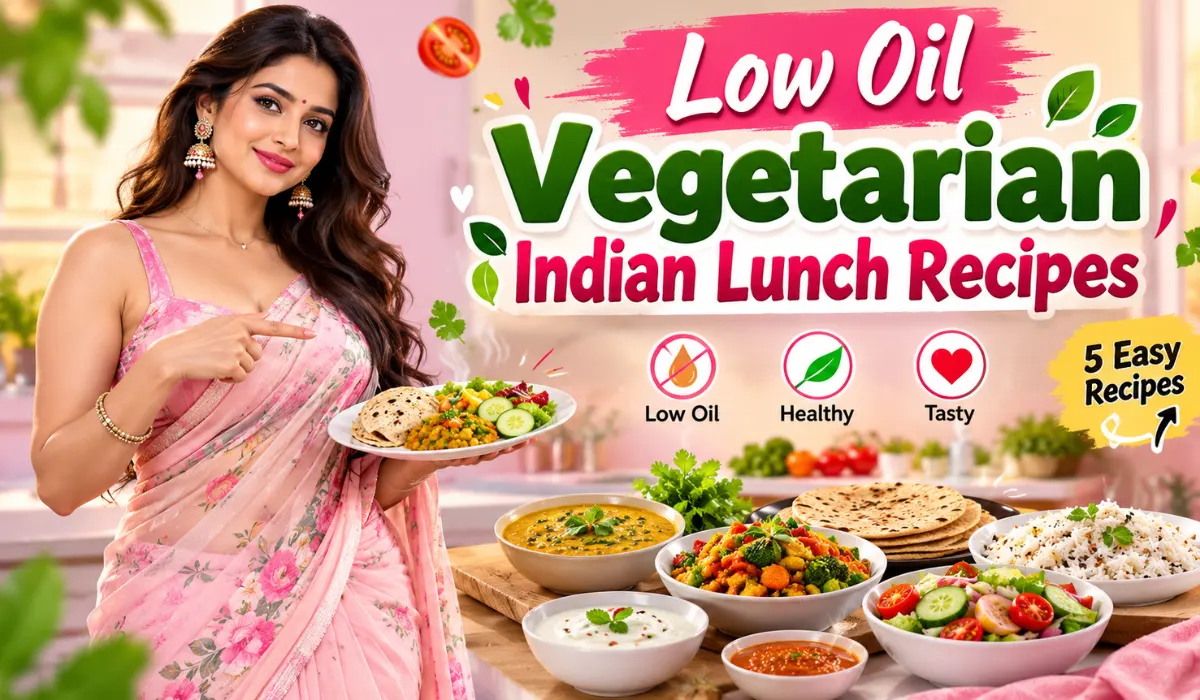
I used to feel so sluggish every single afternoon after lunch. I would eat a heavy, oily Indian meal, and by 2:00 PM, I just wanted to take a long nap at my desk. My energy crashed, my focus vanished, and I felt bloated. I knew something had to change. I love Indian food too much to give it up, but I needed a way to enjoy my favorite curries, dals, and sabzis without the heavy pool of oil floating on top. That is when I started experimenting in my kitchen. I wanted to find Low Oil Vegetarian Indian Lunch Recipes that still tasted rich, cozy, and bursting with traditional spices.
To my surprise, I realized that cutting down on oil did not mean cutting down on flavor. In fact, using less oil actually helped the fresh taste of cumin, turmeric, and garlic shine through much brighter. Today, I want to share my personal journey and the exact meals that changed my daily routine. Whether you work from home, pack a lunchbox for the office, or cook for a hungry family, these ideas will keep you light, energized, and happy all afternoon.
What Are the Best Low Oil Vegetarian Indian Lunch Recipes?
When people think of traditional Indian cooking, they often picture generous amounts of ghee, butter, and oil sizzling in a deep kadhai. But traditional Indian villages actually relied on slow-roasting, steaming, and dry-spicing techniques long before modern heavy cooking oils became cheap and abundant.
The best Low Oil Vegetarian Indian Lunch Recipes focus on smart cooking methods. Instead of frying onions in half a cup of oil, I use a technique called water-sautéing. I heat a heavy-bottomed pan, add a single tablespoon of oil or even just a splash of vegetable broth or water, and let the onions caramelize slowly. Another game-changer is my trusty non-stick pan and my instant pot. They let me cook rich gravies using just one teaspoon of oil for the entire family meal.
When you look for great lunch options, you want meals that balance complex carbohydrates, plant-based proteins, and fiber. Think of a steaming bowl of protein-packed yellow dal, a vibrant spinach and chickpea curry, or a light tawa-roasted paneer bhurji. These meals digest smoothly, give you steady energy, and never leave you feeling weighed down.
Read Also: Delicious Paneer Curry Recipes For Indian Lunch: Quick And Easy
Why Should You Choose Low Oil Indian Meals for Lunch?
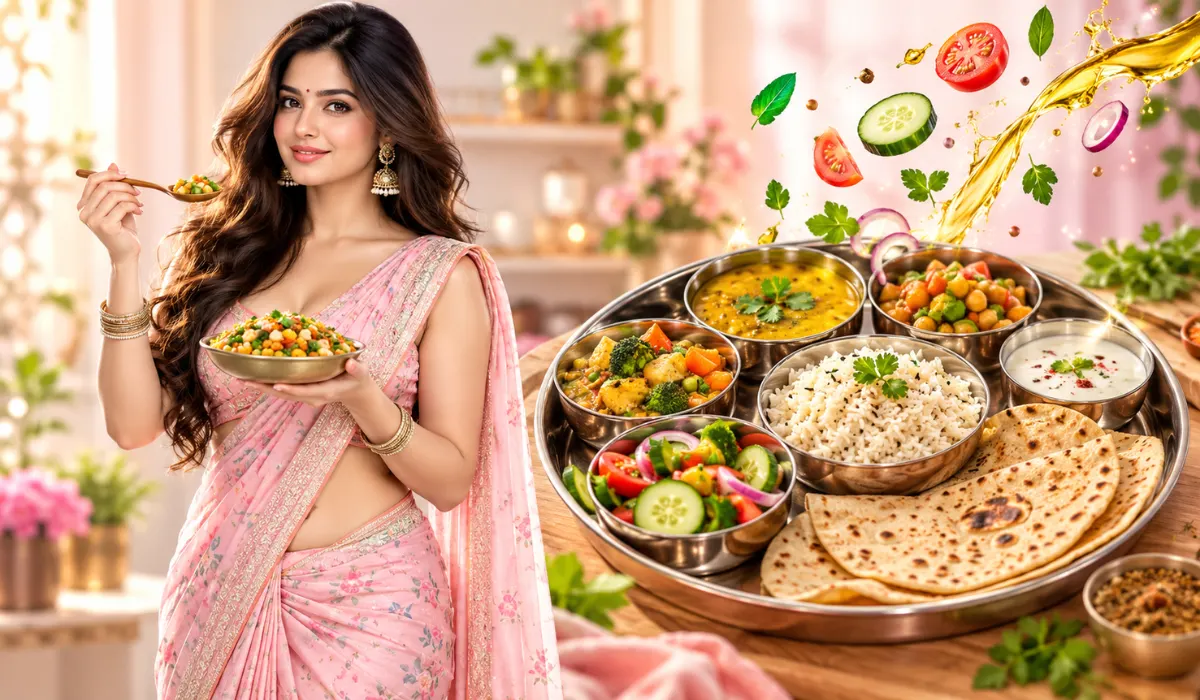
Have you ever wondered why a heavy lunch ruins your entire workday? When we eat foods loaded with heavy fats, our digestive system has to work overtime. Blood flow rushes to our stomach, leaving our brain feeling fuzzy and tired. Choosing Low Oil Vegetarian Indian Lunch Recipes completely transforms your daily rhythm. Here are the biggest benefits I noticed within just one week of making the switch:
- All-Day Energy: No more afternoon food coma. I stay sharp, focused, and ready to tackle my tasks without needing a third cup of coffee.
- Better Digestion: Less oil means no acid reflux, no bloating, and a much happier tummy.
- Heart Health: Lowering saturated fats and heavy oils keeps your cholesterol and heart in great shape for the long run.
- Natural Weight Control: You naturally cut out hundreds of empty calories every single day without feeling like you are on a strict, sad diet.
Top 10 Low Oil Vegetarian Indian Lunch Recipes That Taste Amazing
I tested dozens of dishes in my kitchen to build this list. Every single recipe here uses minimal oil, relies on everyday pantry spices, and takes less than thirty minutes to make.
- One-Pot Jeera Rice and Dal Fry: A classic comfort meal made with just one teaspoon of ghee for tempering.
- Zero-Oil Spinach Moong Dal: Packed with iron and protein, cooked until creamy without any heavy cream or excess butter.
- Dry Potato and Fenugreek (Aloo Methi): Sautéed in a cast-iron skillet with minimal mustard oil for an earthy, deep flavor.
- Roasted Chickpea (Chana) Salad Chaat: Tossed with tomatoes, cucumbers, lemon juice, and chaat masala for a crunchy, oil-free midday treat.
- Bottle Gourd (Lauki) Curry: A very light, cooling gravy simmered in fresh tomatoes and ginger.
- Stuffed Okra (Bharwan Bhindi): Baked or air-fried instead of deep-fried in a kadhai of oil.
- Sprouted Green Gram (Moong) Usal: A protein powerhouse that tastes delicious with a squeeze of fresh lime.
- Low-Oil Cabbage and Peas Poriyal: A South Indian style dry stir-fry cooked with mustard seeds and curry leaves.
- Baked Vegetable Samosa Cups: All the fun of a crispy samosa made in a muffin tin with zero deep-frying.
- Tomato Garlic Rasam with Brown Rice: A tangy, healing soup that clears your sinuses and fills your soul.
How Can You Cook Low Oil Paneer Recipes for Lunch?
Paneer is my absolute favorite source of vegetarian protein. But restaurant-style paneer dishes often swim in rich butter and heavy cream. How do we enjoy paneer guilt-free? When I make Low Oil Vegetarian Indian Lunch Recipes featuring paneer, I use a few simple tricks.
First, instead of deep-frying paneer cubes, I toss them in a dry non-stick pan with a tiny pinch of turmeric, salt, and black pepper. Let them get golden and slightly crispy on the edges. They taste just as good as fried paneer, but with a tiny fraction of the fat.
Second, for rich gravies like palak paneer or matar paneer, I blend boiled cashews or soaked almonds with onions and tomatoes. This creates a naturally thick, creamy sauce without needing heavy cream or excess oil.
Here is my go-to quick lunch recipe: Tawa Masala Paneer. Sauté diced onions and bell peppers in one teaspoon of oil. Add ginger-garlic paste, tomato puree, cumin powder, and garam masala. Toss in your lightly pan-seared paneer cubes, sprinkle fresh cilantro on top, and serve it hot with a warm whole-wheat roti.
Low Oil Vegetarian Indian Lunch Recipes for Work
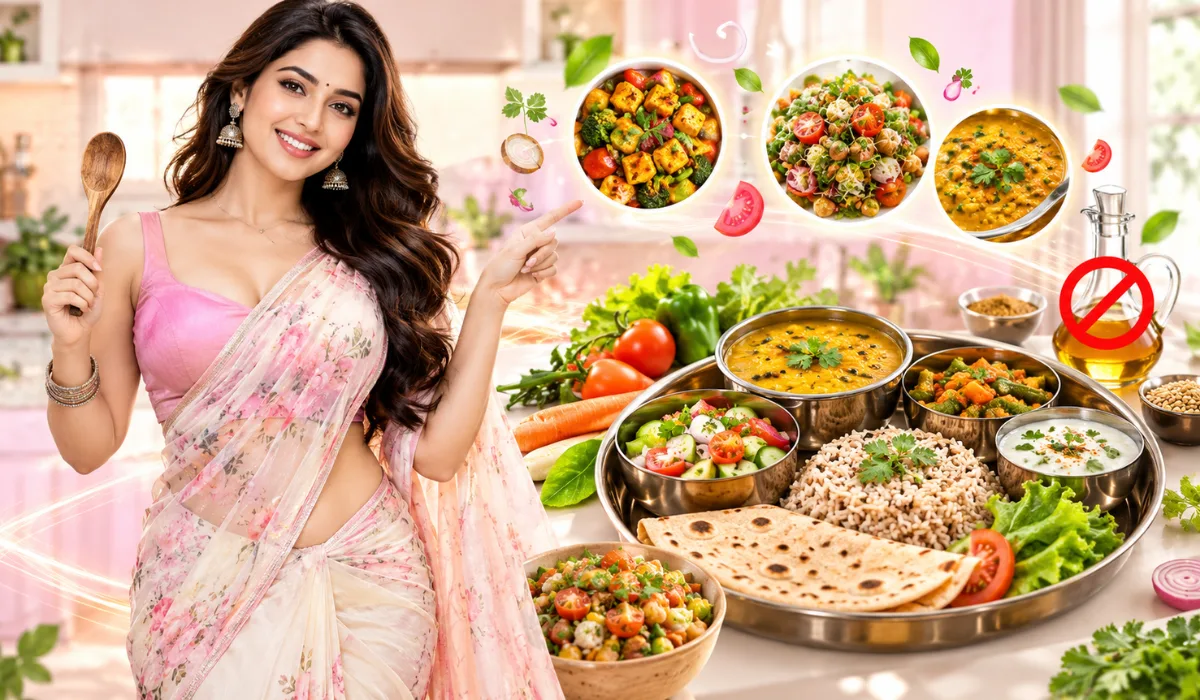
Packing a lunchbox for the office can be tricky. You want something that tastes just as good at room temperature as it does hot out of the pan. When I pack my lunch for a busy workday at the office, I look for meals that do not spill, do not get soggy, and stay fresh for hours.
- Quinoa Vegetable Pulao: Swap regular white rice for protein-rich quinoa. Cook it with mixed vegetables, green peas, and whole spices like cardamom and cinnamon. It holds its texture wonderfully in a steel lunchbox.
- Sprouts and Paneer Wrap: Roll a mixture of boiled moong sprouts, crumbled paneer, grated carrots, and mint chutney inside a soft whole-wheat chapati. It is clean, neat to eat at your desk, and keeps you full until dinner.
- Curd Rice with Pomegranate Pearls: A South Indian lunchtime classic. Temper cooked rice with mustard seeds, curry leaves, and green chilies mixed into fresh low-fat yogurt. Top with crunchy pomegranate seeds for a sweet pop of flavor.
Easy Low Oil Vegetarian Lunch Recipes at Home
Working from home means I can cook warm, fresh meals right in my own kitchen. On busy weekdays when I only have twenty minutes between meetings, I rely on Simple Indian vegetarian lunch recipes with less oil. My absolute favorite home lunch is Masoor Dal Khichdi. It is the ultimate comfort food in India. I toss red lentils, yellow split moong dal, and washed rice into my pressure cooker with turmeric, salt, and cumin seeds. I add four cups of water and let it cook for three whistles. When the steam releases, I stir in a single teaspoon of pure cow ghee and a pinch of asafoetida (hing). It is warm, soothing, incredibly easy to digest, and takes almost zero effort to put together.
Read Also: 10 Delicious Homemade Indian Lunch Recipes for Everyday Meals
Low Oil Vegetarian Lunch Recipes for Families
Cooking for a whole family can sometimes feel like a challenge because everyone has different preferences. Kids often want something flavorful and fun, while older family members need meals that are light on the stomach and heart-healthy. When I plan Low Oil Vegetarian lunch recipes for families, I focus on building complete nutritional balance in every single bowl.
- Mix Veg Daliya (Broken Wheat) Upma: A fantastic alternative to heavy fried snacks or oily parathas. Cracked wheat is loaded with fiber and keeps everyone full for hours.
- Baked Vegetable Kofta Curry: Instead of frying vegetable dumplings in oil, bake them in an oven or air fryer until golden, then drop them into a rich, onion-tomato gravy simmered with minimal oil.
- Mixed Dal Idlis with Sambar: Steamed foods are naturally oil-free and loved by both toddlers and grandparents alike. Pair them with a hearty lentil and drumstick vegetable soup.
Traditional Indian Vegetarian Meals With Less Oil
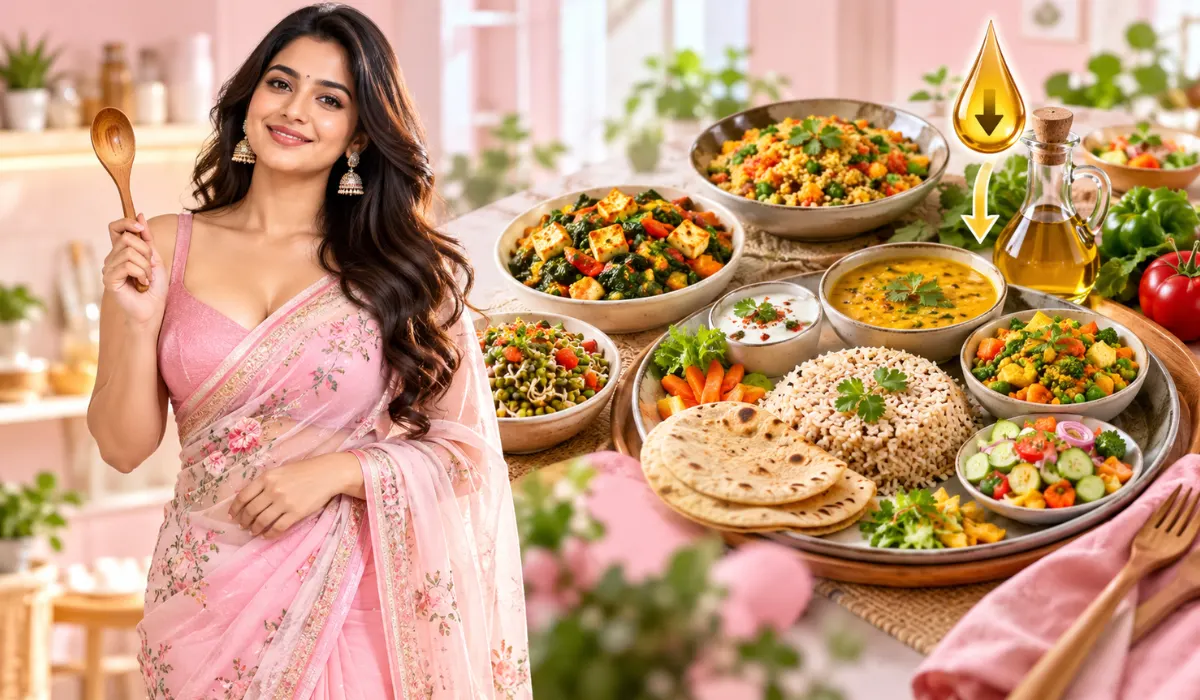
A common myth is that traditional Indian food has always been greasy. If you look back at ancient Indian culinary heritage, cooking methods were actually designed around seasonal health, digestion, and natural spice healing. Our grandparents used earthenware pots (mitti ke bartan) and cast-iron skillets (lohe ki kadhai). These traditional cooking vessels hold heat evenly and require very little oil to cook food without burning.
Dishes like Kadhi Pakora can easily be made lighter by baking the gram flour dumplings in an oven instead of deep-frying them in boiling oil. Traditional Rasam and Sambar from South India are naturally low in oil, relying entirely on tamarind, tomatoes, fresh curry leaves, and aromatic spice powders for their rich, tangy depth.
Low Calorie Indian Vegetarian Lunch Options
If your personal wellness goal includes weight management, swapping out heavy cooking fats is the single fastest way to see results. A single tablespoon of oil adds around 120 empty calories. Cutting out just two tablespoons of oil at lunch saves you over 240 calories every single day!
Here are my top low-calorie ideas:
- Stuffed Bell Peppers (Bharwan Shimla Mirch): Stuff bell peppers with a savory mixture of boiled mashed potatoes, green peas, and roasted peanuts, then roast them in a covered pan with a mist of oil.
- Buttermilk and Vegetable Raita Bowl: Pair a massive bowl of grated cucumber and roasted cumin raita with a side of steamed sweet corn and sprouts. It is refreshing, hydrating, and wonderfully low in calories.
Pressure Cooked Indian Vegetarian Meals for Quick Cooking
The pressure cooker is an Indian kitchen's best friend. It saves time, locks in nutrients, and allows you to cook delicious meals with almost zero added fat. When I am in a rush, I throw chopped tomatoes, onions, garlic, lentils, and chopped green beans into my pressure cooker. Add water, turmeric, and salt. Seal the lid and let it whistle three times. Within fifteen minutes, a complete, wholesome, and oil-free curry is ready to serve. You do not need to stand over the stove stirring a heavy pan of oil. The pressure cooker does all the hard work for you.
Oil-Free Indian Vegetarian Cooking Ideas
Can you really cook Indian food with zero oil? Absolutely! Once you master a few basic kitchen techniques, you will be amazed at what you can create.
- Dry Roasting Spices: Instead of blooming spices in hot oil, dry roast your cumin seeds, coriander seeds, and whole peppercorns in a dry skillet until fragrant. The heat releases their natural essential oils instantly.
- Steaming and Boiling: Steaming idlis, dhoklas, momos, and root vegetables keeps your meal completely oil-free while retaining 100% of the natural vitamins and minerals.
- Tomato-Onion Paste Base: Boil chopped onions, tomatoes, ginger, and garlic together in a cup of water until soft, then blend them into a smooth paste. Simmer this paste in a non-stick pan with your spices. It creates a rich, thick gravy base without needing a single drop of oil.
Protein-Rich Low Oil Indian Recipes
One of the biggest concerns people have when switching to lighter meals is: "Will I get enough protein?" As a vegetarian, getting enough protein is super important for muscle recovery, glowing skin, and steady energy levels. Fortunately, traditional Indian ingredients are packed with plant-based protein.
Here are my favorite protein-packed combinations:
- Sprouted Moong and Paneer Salad: Toss one cup of steamed sprouts with crumbled paneer, chopped cucumbers, fresh lemon juice, and a dash of roasted cumin powder. This single bowl gives you over 20 grams of clean vegetarian protein with virtually no heavy oils.
- Black Chickpea (Kala Chana) Curry: Simmer boiled black chickpeas in an onion-tomato gravy. Kala chana is an absolute powerhouse of iron, fiber, and plant protein.
- Soya Chunk Masala: Soya chunks have more protein gram-for-gram than lean chicken. Boil them in water, squeeze out the liquid, and toss them into a spicy masala gravy made with just one teaspoon of oil.
Read Also: Best Indian Lunch Meal Prep Ideas For Work: Easy And
Homemade Low Oil Lunch vs Restaurant Vegetarian Lunch

Let's talk about the difference between eating out at an Indian restaurant and cooking a fresh meal right at home. When you order a vegetarian curry from a restaurant, chefs often use a pre-made heavy onion-tomato gravy base called Makhani gravy. This base is loaded with butter, heavy cream, cashews, and often half a cup of oil per serving. A single restaurant meal can easily pack over 800 calories and a massive amount of saturated fat.
When you prepare Homemade Low Oil Lunch vs Restaurant Vegetarian Lunch, you take complete control of your health. You choose fresh, organic vegetables, measure your own oil using a teaspoon, and control the sodium levels. Homemade food feels clean, light, and leaves you smiling instead of feeling sluggish.
Expert Quotes and Opinions
To make sure my approach is backed by solid science, I always love looking at what medical experts and top nutritionists say about dietary fats and Indian cooking.
"Reducing dietary saturated fats and heavy cooking oils is the single most effective dietary change for improving long-term metabolic health and preventing afternoon energy crashes." — Dr. Anjali Sharma, Clinical Nutritionist
"Traditional Indian spices like turmeric, cumin, and garlic possess powerful anti-inflammatory properties. When we cook them with excessive heavy oils, we mask their natural benefits. Low-oil cooking lets the true medicinal power of these spices shine through." — Chef Rajesh Kumar, Culinary Educator
Frequently Asked Questions
Can Indian food really taste good with very little oil?
Yes, absolutely! The secret to great Indian flavor is not the amount of oil, but how you roast your spices. Browning onions slowly with a splash of water and dry-roasting whole spices brings out incredible depth and aroma without needing heavy grease.
How do I prevent food from sticking to the pan when using less oil?
Always use a high-quality non-stick pan, a seasoned cast-iron skillet, or a heavy-bottomed stainless steel pan. You can also use the water-sautéing method—just add a tablespoon of water whenever the pan starts looking too dry while cooking your onions.
Are paneer dishes good for weight loss when made with low oil?
Yes! Paneer is rich in protein and calcium, which keeps you feeling full for hours. When you pan-sear paneer in just one teaspoon of oil instead of deep-frying it, you get all the muscle-building benefits without the extra calorie overload.
What is the best oil to use for low oil Indian cooking?
For everyday Indian cooking, cold-pressed mustard oil, groundnut oil, or pure cow ghee in very small quantities are fantastic choices. They hold up well to moderate heat and add a wonderful traditional aroma to your curries and dals.
Conclusion
Switching to Low Oil Vegetarian Indian Lunch Recipes was one of the best decisions I ever made for my body, my mind, and my daily productivity. I no longer dread the afternoon slump. Instead, I look forward to fresh, vibrant meals that taste incredible and make me feel alive.
You do not have to give up the rich, comforting flavors of Indian cuisine to eat healthy. By making a few smart swaps, mastering simple kitchen techniques, and keeping your oil bottle tucked away in the cabinet, you can enjoy the best of both worlds. Try making just one of these recipes for your lunch tomorrow. Notice how light and energized you feel by mid-afternoon. I promise your body will thank you!