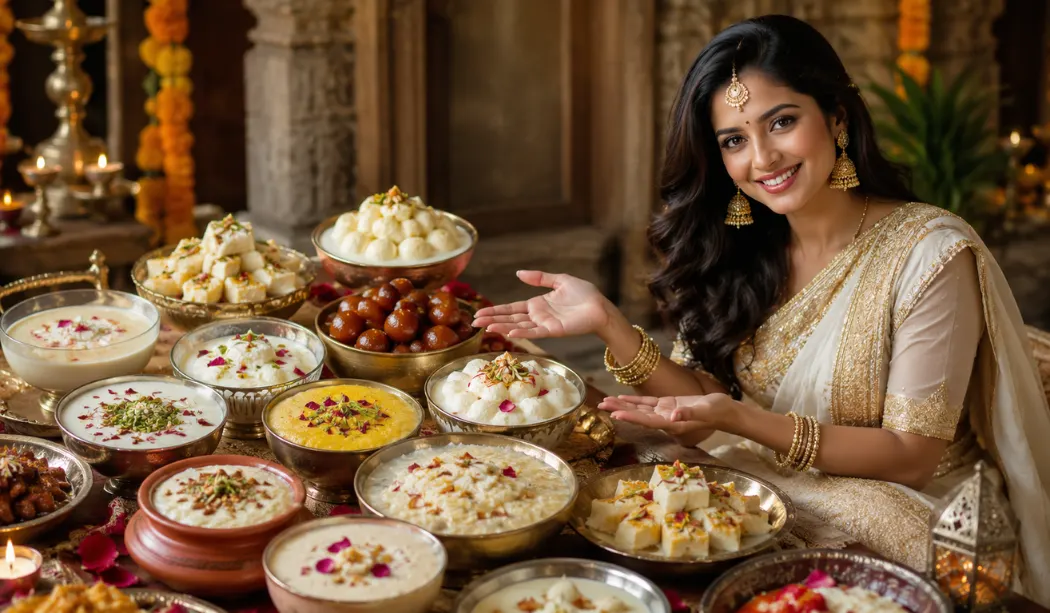
India is known for its vibrant traditions, vibrant festivals as well as delicious food. If you are a lover of sweets, you're in for a huge sweet treat. Sweet, creamy, and delicious dairy desserts make up the essence of Indian hospitality. From the richness and slow-cooked flavor of North Indian Rabdi to the delicate, spongy and soft texture of Bengali Rasgulla Dairy-based foods make an appearance at every event.
Each happy moment at the Indian family home requires a quick excursion to the nearby sweet shop. It doesn't matter if it's a huge celebration such as Diwali or a smaller celebration with your family, a dish of delicious Indian desserts that contain milk is always waiting to welcome your. Let's dive deeper into the delicious realm of traditional milk desserts of India and learn how they're so amazing to taste.
Why Is Milk the Base of Many Indian Desserts?
In order to understand Indian sweets, it is necessary take a look back over thousands of years. In the past, in India fresh milk went bad quickly due to the scorching heat (Arora 2025). To preserve the milk, and to keep it free of harmful germs the people developed clever methods to prepare it and keep it safe (Arora 2025). They reconstituted the milk into a sluggish paste called Khoa or made it curdle to form a cheese that was soft called Chhena (Arora 2025).
The kitchen tricks of these clever cooks accomplished double-duty. The first was to stop the dairy from rotting due to lower the level of moisture (Arora 2025, 2025). Then, they developed the basis for some of the best home-cooked milk-based Indian sweets which we are enjoying in the present. It is also considered pure and holy as a holy and pure food in Indian tradition. It is therefore the ideal alternative for offerings to the temple or big events.
What Is the Most Famous Milk-Based Indian Dessert?
If you ask 10 individuals in India to select one sweet that is the best there will be many diverse responses. Yet, Kheer holds the title of the most delicious milk-based Indian sweets top-rated sweet.
Kheer is a traditional rice pudding that's been appreciated for ages (Arora 2025). The recipe is created by simmering rice, milk and sugar very slowly until the pudding becomes a dense and silky smooth. It gets its lovely scent from the green cardamom plant, real saffron threads, as well as the addition of crunchy nuts such as pistachios and almonds.
It is a popular sweet in South India, people call it Payasam It is consumed as a sacred dessert in the grandest temples throughout the ages (Arora 2025). This is one of the most flexible and popular sweet in all of India.
Top 10 Famous Milk Based Indian Desserts
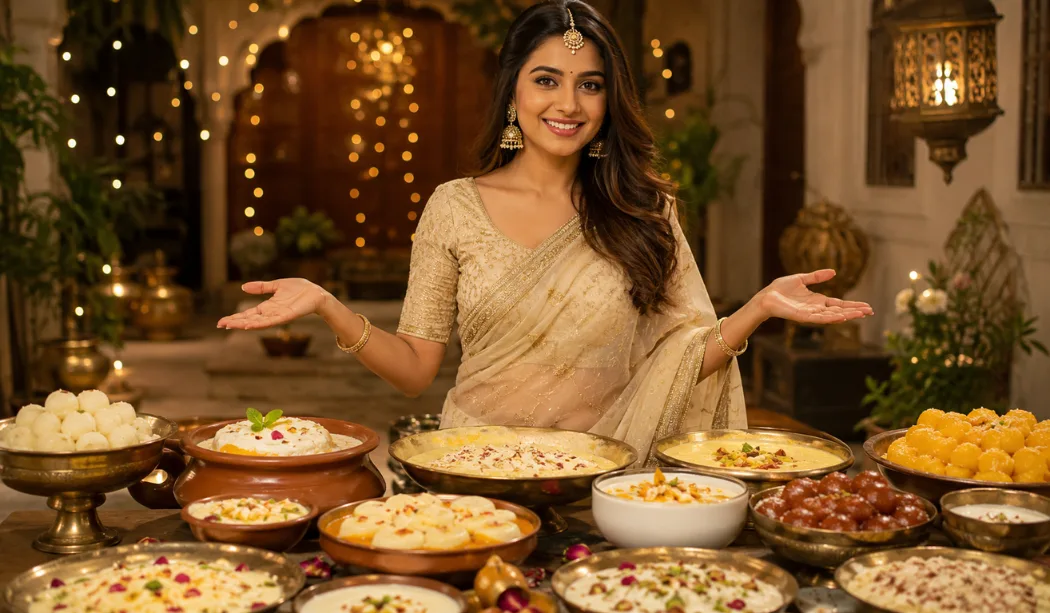
If you take a look at the well-known milk-based Indian desserts listing it is astonishing. Chefs employ a variety of cooking techniques to create each dessert with distinct taste and. Ten amazing treats to explore:
| Dessert Name | Primary Texture | Key Processing Technique |
| Kheer (Payasam) | Soft and silky | Rice slow-cooking in whole milk |
| Gulab Jamun | Juicy and Spongy | Choa balls that are fried and then soaking them in syrup |
| Rasgulla | Springy and soft | Fresh chhena balls are being cooked in the light syrup |
| Rasmalai | Meltingly soft | Soaking flattened chhena discs in saffron milk |
| Rabdi | The thick and the layered | Reducing milk until cream layers form |
| Peda | Fudgy and semi-soft | Baking khoa in cardamom and sugar |
| Kalakand | Wet and gritty | Sweetened, solidifying curdled reduced milk |
| Mishti Doi | Firm and silky | Fermenting sweetened dairy with live-cultures |
| Shrikhand | It is thick and easily scoopable. | Mixing and straining yogurt with Saffron |
| Kulfi | Creamy and dense | Freezing highly reduced, flavored milk |
Master These Famous Milk Based Indian Desserts Recipes
The process of making these delicious desserts at home can be an enjoyable kitchen experience. It doesn't require any extravagant equipment, only some patience. Let's examine how to prepare two of the top dairy-based Indian desserts you can make at home using only a few ingredients.
1. The Classic Slow-Cooked Rabdi
Rabdi is the most perfect embodiment of the pure reduction of dairy. It is sweet, caramelized and densely textured.
-
Step 1. Pour 1 liter of milk that is full fat in a deep, heavy-bottomed pan. Let it simmer over a medium-low temperature.
-
Step 2. When a layer of cream is formed on top then gently push it towards the edges of the pan with the spatula.
-
Step 3. Continue stirring in the bottom of the bowl to ensure the milk doesn't burn. Repeat this procedure until the volume of liquid falls to a third of its original size.
-
Step 4. Scrape the layers of cream back into the liquid. Include two tablespoons of sugar one teaspoon of cardamom powder and cut nuts. The mixture will simmer for about two minutes and before letting it cool.
2. Quick Homemade Kalakand
If you're looking for a top dessert without having to stand by the oven for hours, this technique is perfect.
-
Step 1. In a saucepan mixing one can of condensed sweetened milk and 400 grams fresh crumbled cottage cheese or paneer.
-
Step 2. Mix the ingredients with a simmering low-temperature. Make sure to stir it continuously, so that it stays in a smooth state and doesn't get stuck.
-
3. In between 10 and 12 minutes, the batter is going to begin leaving the pan's sides and will appear quite grainy.
-
Step 4. Mix in the rose water in a small amount. Place it on an oil-based tray, then flatten the top and sprinkle chopped pistachios on top, then let it sit for a while before cutting into pieces.
Indian Festival Desserts Made with Milk
Celebrations that take place in India are lively, vibrant filled with vitality. Dairy desserts are crucial to making sure that the celebrations are alive.
In the months of Diwali or Raksha Bandhan boxes of delicious Pedas as well as humid Kalakand are smuggled off the counters of shops. They're the best milk-based desserts for parties since they're easy to pass around with relatives who are visiting. When the weather is hot, Janmashtami and Holi celebrations are accompanied by cool bowls of Shrikhand or a rich and unchurned Kulfi ice cream, which keeps everybody cool and content.
The tradition of Eastern India, Durga Puja is not complete with out Mishti Doi. This delicious dessert is prepared by caramelizing sugar, combining it with milk that has been boiled then letting it ferment in an old clay dish (Rasane and al. in 2017). Clay absorbs water and leaves the behind a silky, thick custard that melts into the mouth (Rasane and al. 2017.).
How Can You Make Sugar-Free Milk Desserts?

There are many who want to enjoy these tasty treats, but without excessive amounts of sugar processed. It's good to know that it's easy to create nutritious, diabetic-friendly recipes from scratch.
Expert Food Scientist's Perspective: "When you remove the sugar in traditional dairy sweets and desserts, you'll lose structure and sweetness (McKenzie and Lee 2022). To remedy this issue, try using the natural sweetener in bulk like monk fruit or erythritol for an excellent 1:1 replacement that makes the dessert more dense and delicious (Payne 2025)."
If you're modifying popular dairy desserts from India make sure you be sure to follow these simple rules:
-
Pay attention to the heat: Do not boil strong sweeteners, such as stevia, for long periods of time or else they could turn bitter (Wazir 2025). You should add them just towards the end of cooking, following the shutting off the heat.
-
Embrace Natural Fruit Sugars: Use natural alternatives like pure date syrup or paste in your Kheer recipes (Yargatti & Deshmane, 2025). This gives it a smoky caramel taste and beneficial nutrition (Yargatti and Deshmane, 2025).
-
Enhance the Thickness Naturally: Since sugar-free alternatives don't thicken milk during reduction, you can add a small amount of almond flour or corn starch to make your desserts soft and rich.
Frequently Asked Questions
What is it that makes Indian milk sweets distinctive and different from Western desserts?
Western desserts typically use flour, baking techniques, as well as gelatin. Indian dairy desserts are based on the slow reduction process, pan-frying directly as well as natural curdling for unique texture and flavors without the use of artificial thickeners.
How long should I keep my dairy-based sweets made from scratch in the refrigerator?
Sweets made using high-quality milk, such as Peda will last as long as two weeks if placed in an airtight jar. Sweets with a higher amount of water such as Rasmalai or Kheer are best consumed within 3 to 4 days.
Could I make use of low-fat milk for these classic treats?
For best outcomes, make sure you use either full-fat or whole milk. Natural fat molecules create the velvety, luxurious mouth feel which makes these sweets so popular. The milk with low fat content takes two times longer to simmer and may become to be watery.