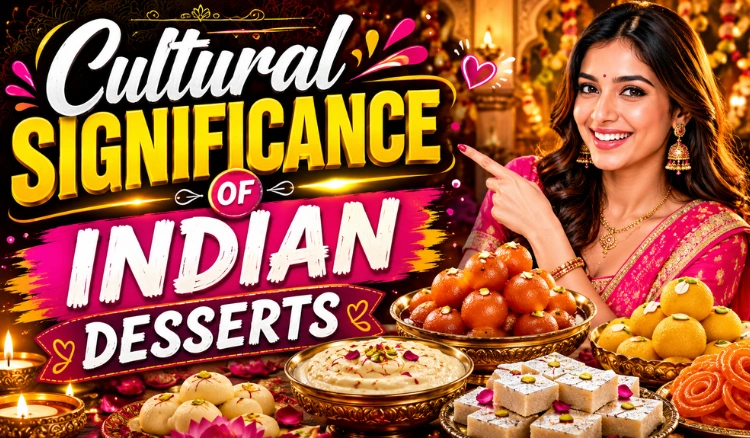
From the golden, rich silky saffron strands to the cozy scent of cardamom green, these sweet snacks hold a place in my daily life. Every significant event in India is accompanied by the consumption of a sweet treat. Are you wondering the reason we celebrate it with an assortment of sweets instead of a simple cake? It is because of the very deep Cultural Significance Of Indian Desserts. Sweets, also known as mithai aren't just desserts to be eaten after eating. They represent reverence, love and a deep source of blessings. In this article I'll share with you my experience of exploring Indian cuisine to demonstrate the ways these dishes carry the past and culture each bite.
What is the cultural significance of Indian desserts?
To fully comprehend Indian culture, take a look at the sweet tastes. Since the beginning of time the desserts of India have served as bridges between the human and God. In India the food culture is sacred, while sweets symbolize the highest form of purity and happiness.
If we share desserts with each other and desserts, we share our wishes for a happy new year. It's an old manner of saying "I want to have a wonderful and happy life. " In any situation, from welcoming a guest or celebrating an employee's advancement, just a tiny Mithai piece can transform the atmosphere of a room. It can transform something ordinary into an unforgettable memory.
Read also: Indian Desserts From Different States: The Ultimate Sweet Guide
Top 10 Cultural Significance Of Indian Desserts
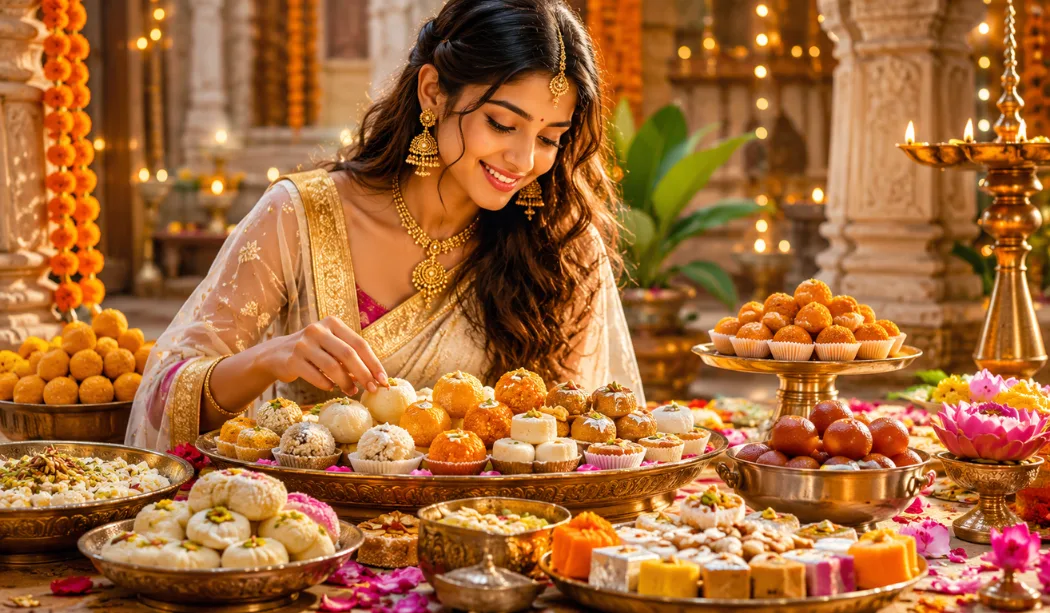
As I have studied indigenous foods, I've identified the top ten crucial roles that sweets can play within Indian society. Let's break them down to understand why they are valued to us so much.
- The signification of God's Blessing Offering sweets to Gods when we pray. The holy meal is distributed to all to bless them.
- The ultimate welcome: Serving sweets to guests is an integral aspect of Indian hospitality. It is a sign of great respect.
- Seasonal Health Enhancers A lot of sweets contain wintery ingredients like jaggery and ginger to help ensure that the body is kept warm.
- A symbol of new beginnings: Buying a house or launching a new business is a good time to eat something sweet.
- Community Binding Large batches of desserts can bring neighbors as well as families.
- Conservation of History: Old royal recipes are preserved by the art of confectionery.
- Expression of Love Directly: Grandmothers often express their gratitude by creating specialized home-cooked treats for their grandchildren.
- Geographical Identity Every Indian state is branded with a distinctive sweet, which is a reflection of its regional food and life style.
- Economic Celebration Happy harvests are celebrated by turning freshly squeezed sugarcane juices into gorgeous desserts.
- An Even Meal End: According to ancient scientific research, eating sweets after the meal can help to settle stomach in a healthy way.
Why are Indian desserts important in festivals?
Celebrations and sweets are interspersed within India. Consider Diwali without a stunning box of the kaju katli and Eid without a warming bowl of pure Khurma. The whole thing feels a bit stale!
The significance of Indian sweets at celebrations dates back to the concept of bringing joy and light. The festivals are a time to put aside old disagreements and begin new. Sharing treats helps to dissolve tensions and draws people and closer.
In celebrations of grand scale the sweets can also be used as an expression of gratitude to the natural world. Fresh dairy, seasonal fruit as well as newly harvested grain to create the dishes. This is our method of expressing gratitude for the bounty we receive from the earth each and every year.
Deepening the Cultural Significance Of Indian Desserts in Festive Seasons
Each festival is unique and is unique and has its own sweet dialect. The significance of indian desserts in India differs slightly based on the celebration you're celebration.
For example, during Ganesh Chaturthi, modaks are made in every home. They are sweet dumplings that are stuffed with coconut, fresh along with sweet jaggery. They are considered as the favourite food for Lord Ganesha. In making these, we demonstrate our love and devotion to.
On Janmashtami the people serve the coriander powder, ghee and sugar that is known as the dhaniya panjiri. This particular mix is selected due to its ability to withstand the wet monsoon conditions perfect. This blend demonstrates how our forefathers have merged health science and deeply spiritual beliefs.
How are sweets connected to Indian traditions?
When you examine the traditional Indian dessert rituals that are described it will be clear that sweets accompany an individual from the moment of birth to they reach old age. As soon as a child arrives, the whole neighbourhood is greeted with laddoos. If a child is able to pass the test, they are awarded the opportunity to take home a small piece of the pedha.
This amazing connection illustrates how sweets are linked to Indian customs? They act as the physical manifestation of our most intense feelings. They can be used in situations where it isn't possible to use words to express our immense joy or feelings of joy.
Expert Perspective: "In Indian food culture sugar is seen as an effective way to preserve memories. When we recreate traditional dessert recipes, we're not only cooking, we travel through time in order to connect with our forebears. " -- Chef Vikram Malhotra, Culinary Historian
Traditional Indian desserts and their meanings
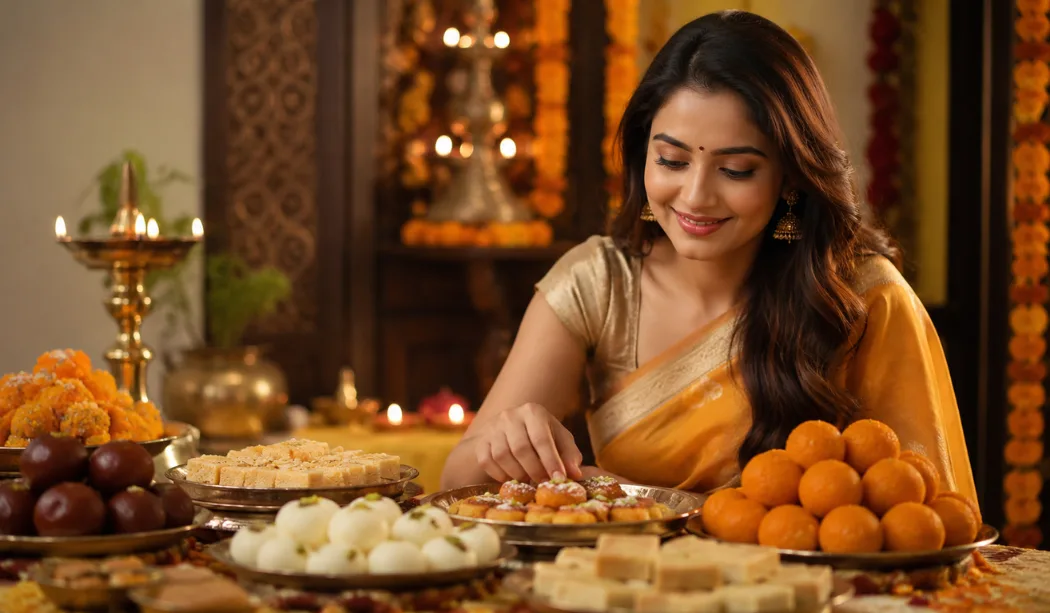
Did you know that the form and components of sweets can have secret significance? We will examine a couple of examples of the importance of culture in Indian recipe for desserts.
- Laddoo This shape symbolizes infinity and totality. It represents a life of unending joy.
- Jalebi The complicated, chaotic spirals make us aware that life can take numerous twists and turns however, it's still delicious at the end.
- Kheer The creamy milk dessert is a symbol of purity, calm thoughts, and a tranquil mind.
Cultural significance of halwa in India
There is no discussion of Indian customs without talking about Halwa. It is often made of vibrant orange carrots during winter, or simply semolina in the time of prayer, halwa has an undisputed place within our kitchens.
The value of Halwa as a food within India is linked directly to the idea of sharing warmth. Halwa is typically served hot right out of the pan. The process of making a good halwa takes lots of patience as well as constant stirring. Serving the dish to a person shows you've put in the energy and time to make them feel happy.
Read also: Famous Milk Based Indian Desserts: 10 Best Creamy Sweets
Importance of sweets in Indian weddings
A Indian wedding is a massive day-long celebration that is that is filled with bright attire and a bounty of food. In this instance, the importance of sweets during Indian weddings is made clear in the ceremony of exchange of sweets.
At the time of the wedding during the ceremony, the bride and groom share one another a sweet treat. This sweet gesture is a symbol of that they have made a promise to keep future interactions sweet and loving. The families also give out large, fun-filled baskets filled with premium mithai for the purpose of securing the new alliance of their family. It's a sweet deal for lifelong friendship!
History of Indian desserts and sweets
For a comprehensive historical significance for indian sweets and desserts essays it is necessary to look to the distant past. The background of Indian sweets and desserts is a long way back, spanning three thousand years! Texts from in the Indus Valley Civilization reveal that our ancestors were adept in the art of making sugar. Actually, India was the very first country in the world to convert sugarcane juice into solid crystals.
Through the ages, various rulers and travellers visited India. They brought their distinctive recipes and cooking techniques. As an example, Mughal rulers brought in delicious nuts, edible silver foil and a scrumptious rose water. Indian chefs combined these fresh ideas with traditional milk recipes from their own region and created the amazing range of desserts available in the present.
Homemade sweets vs store-bought mithai
Nowadays, it is easy to stroll into a trendy confectionery shop and purchase chocolates, or expensive treats. But the argument between homemade sweets and Mithai bought from stores is alive and well within Indian households.
Store-bought sugary treats are convenient and beautiful, home-made sweets are a source of unrivaled emotional worth. As a mother works for the hours of reducing milk in order to make Rabri and then infuses the sweet with love. Sweets made at home are made with the finest ingredients, and are based on the secret recipes of family members passed over generations. They smell like warmth, comfort and unending love.
Frequently Asked Questions
Why do Indians eat sweet things before starting something new?
A sweet or sugary drink and yogurt in the lead up to a huge project is thought to be extremely lucky. It provides a brief surge of energy, and gives you a positive and happy attitude for your work.
What is the oldest sweet in India?
Malpua can be thought to be the most ancient sweet found in India. It's a pancake that is deep-fried with sugar syrup and the origins of it are traced to prehistoric Vedic time.
Why is silver foil used on top of Indian sweets?
The fine silver layer, known as the vark which is applied to create a sweet appear elegant and gorgeous during occasions. It also keeps the confectionery at a higher temperature for a longer time.