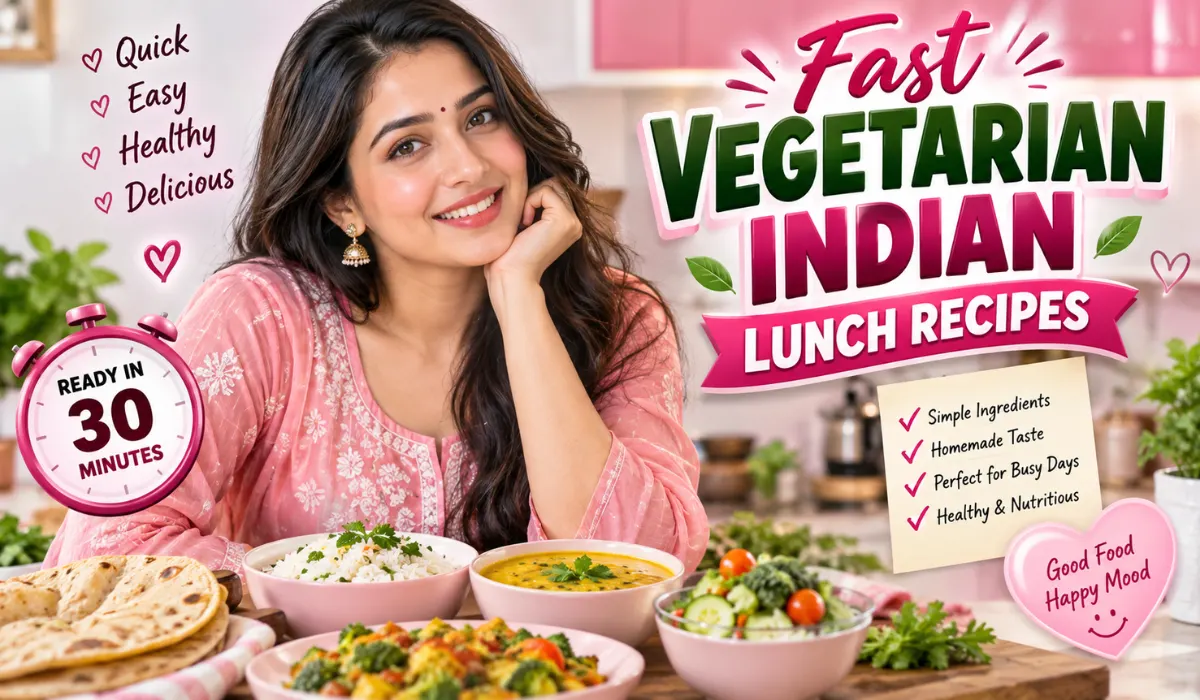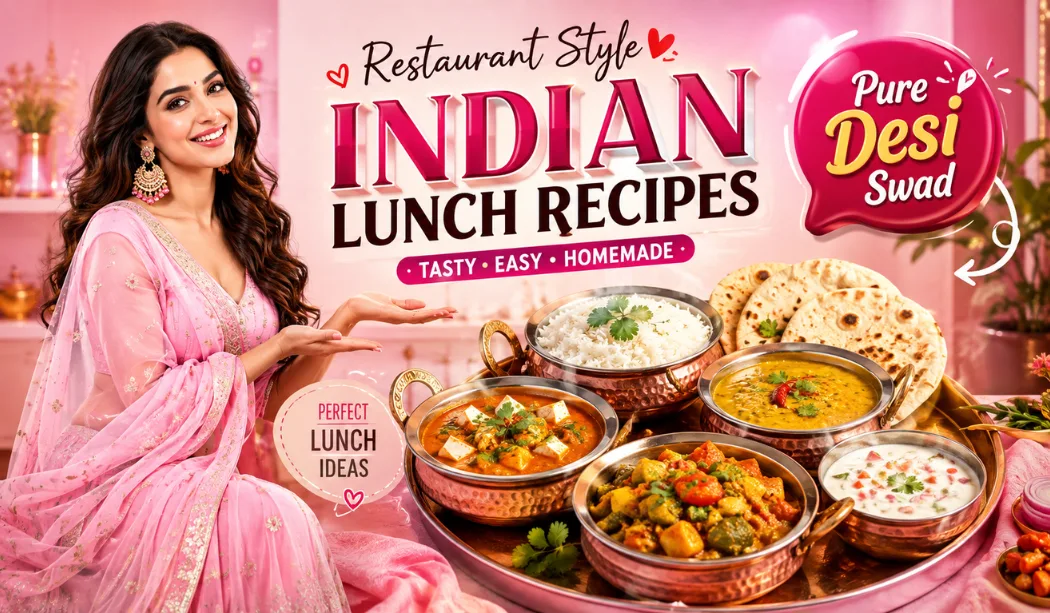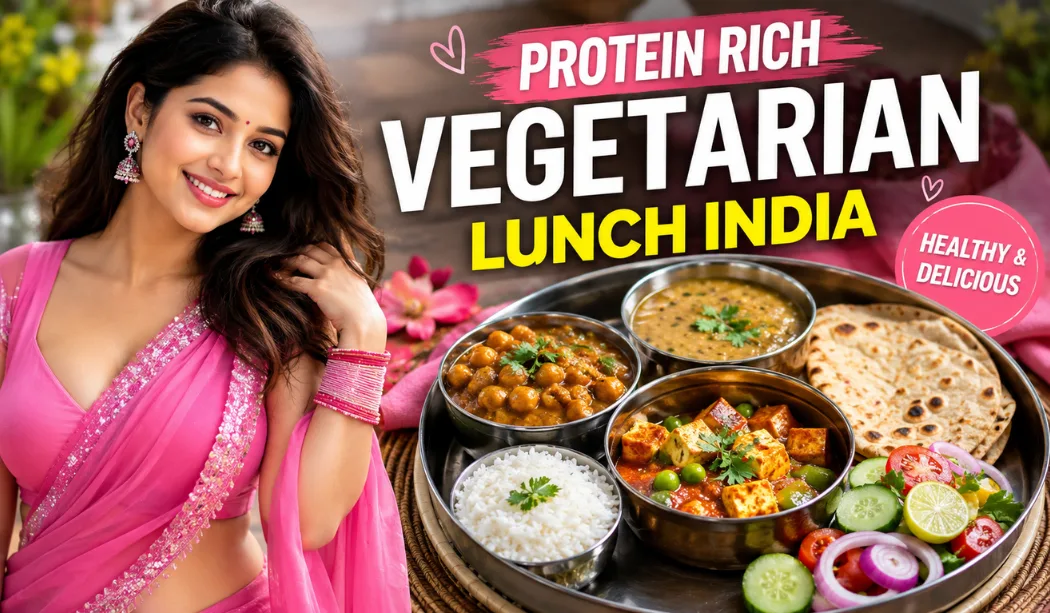
Do you feel sleepy after eating your afternoon meal? Most traditional Indian plates contain high amounts of refined carbohydrates like white rice and wheat chapattis. Carbohydrates give quick fuel, but they digest fast and cause sudden energy crashes. Adding strong plant nutrients keeps energy high throughout the day. A healthy Protein Rich Vegetarian Lunch India repairs body tissue, maintains muscle, and keeps full for longer hours. Eating healthy plant food is easy, affordable, and full of traditional Indian spices.
What Is The Best Protein Rich Indian Veg Lunch?
The best meal pairs plant-based ingredients with complex carbohydrates. Traditional kitchens use lentils, beans, cottage cheese, and whole grains to create full meals. Mixing grains with legumes creates a complete amino acid profile. Pairing rice with lentils or wheat roti with chickpeas ensures the body absorbs maximum nutrition during mid-day digestion.
Why Choose High Protein Vegetarian Lunch India
Choosing plant foods offers major daily health benefits. Clean plant ingredients digestion easily without causing heavy stomach bloat.
Energy and Weight Control
A balanced plate regulates blood sugar levels. Choosing a High-protein lunch Indian for weight loss reduces unwanted food cravings between meals. High-fiber plant foods slow down digestion and support long-term weight goals.
Muscle Repair and Strength
Active people need solid daily nutrients to build strong tissues. High-protein vegetarian meals for muscle building rely on soy, sprouts, and paneer to repair muscles quickly after daily physical activities.
Read Also: Quick Healthy Indian Office Lunch Ideas Under 30 Minutes
Top 10 Protein Rich Vegetarian Lunch India
These traditional and modern options deliver high nutritional value for everyday home cooking:
- Paneer Bhurji with Multigrain Roti: Soft cottage cheese scrambled with tomatoes, onions, and turmeric.
- Soya Chunk Curry: High-protein soy chunks simmered in a spiced onion-tomato gravy.
- Rajma Masala: Red kidney beans cooked with garlic and aromatic spices, served with brown rice.
- Sprouted Moong Salad: Raw sprouted green gram mixed with cucumber, lemon juice, and roasted peanuts.
- Chana Masala: Spiced chickpeas cooked in home gravy with whole grains.
- Dal Tadka with Quinoa: Yellow lentil soup tempered with cumin and ghee, paired with cooked quinoa.
- Tofu Spinach Curry: Soft bean curd cubes simmered in a thick, iron-rich spinach puree.
- Black Eyed Peas Curry (Lobia): Lobia beans simmered in a spiced gravy with millet rotis.
- Kala Chana Dry: Black chickpeas tossed with ginger, green chilies, and fresh coriander.
- Curd Rice with Roasted Peanuts: Cool yogurt rice mixed with crunchy peanuts and tempered mustard seeds.
Nutritional Comparison: Best Vegetarian Protein Foods
| Food Item | Protein Content (per 100g) | Key Advantage |
| Soy Chunks | ~52g | Highest plant density |
| Paneer | ~18g | High calcium content |
| Tofu | ~8g-15g | Low calories and vegan |
| Boiled Chickpeas | ~9g | Rich in dietary fiber |
| Greek Yogurt / Curd | ~10g | Great for gut health |
Paneer vs Tofu Protein: Which Is Better?
Choosing between milk cheese and soy curd depends on daily dietary targets and preferences:
Dairy vs Plant Source
Paneer comes from whole cow or buffalo milk, making it rich in natural calcium and healthy fats. Tofu comes from soy milk, making it 100% dairy-free and low in saturated fats.
Calorie and Protein Balance
Paneer vs tofu protein comparisons show paneer has slightly more protein per serving, but it also carries higher calories. Tofu provides lean nutrition, making it ideal for low-calorie weight loss goals.
Read Also: Top 10 School Lunch Recipes Indian Style: Healthy Kids Tiffin
Vegetarian Protein vs Non Vegetarian Protein India
A common question is whether plant meals can compete with animal sources. Examining vegetarian protein vs non vegetarian protein India reveals distinct dietary benefits:
- Fiber Content: Plant foods contain high dietary fiber, which aids digestion. Meat contains zero fiber.
- Heart Health: Plant sources are low in harmful saturated fats and completely cholesterol-free.
- Satiety: Plant sources take longer to break down when paired with complex carbohydrates, maintaining steady blood sugar.
While non-veg options like chicken or fish contain dense protein, plant options carry essential antioxidants, micronutrients, and gut-friendly fiber.
How To Make Protein Rich Vegetarian Lunch India Easily
Preparing fresh daily meals does not require hours in the kitchen. Following a clear cooking workflow saves time and effort.
1.Prep Legumes & Grains Early:Overnight soaking reduces cooking time by 50%.
Soak kidney beans, chickpeas, or whole lentils in water overnight. Soaking softens legumes, improves nutrient absorption, and reduces digestion trouble.
2.Cook Base Ingredients:Use a pressure cooker for speed.
Pressure cook soaked beans with salt, turmeric, and water. Keep diced tofu or paneer ready for light pan frying.
3.Prepare Indian Spices:Keep oil minimal for healthy cooking.
Heat a small spoonful of oil or ghee in a pan. Add cumin seeds, ginger, garlic, chopped onions, and tomatoes. Saute until soft.
4.Combine & Simmer:Let flavors blend together.
Add cooked legumes or paneer cubes into the warm spice mixture. Simmer for 8–10 minutes so ingredients absorb flavor. Serve hot with rotis or rice.
Smart Options for Busy Professionals
Office schedules make cooking complex meals difficult. Busy individuals can rely on protein rich lunch for working professionals using easy meal preparation techniques. Pre-boiling chickpeas or sprouted lentils on Sunday stores well in the refrigerator for up to four days. Tossing pre-boiled beans with sliced vegetables, lemon, and spices takes less than five minutes in the morning. Packing Simple high protein vegetarian meals Indian keeps energy consistent without relying on unhealthy office cafeteria food.
Expert Opinions on Plant-Based Indian Diets
"Combining lentils with whole grains creates complete amino acid profiles. Indian thalis historically balanced nutrition perfectly through dal, rotis, and fresh curds." — Dr. Ananya Roy, Clinical Nutritionist
"Swapping refined flour for millet or chickpea flour instantly boosts meal fiber and protein. Small daily grain changes transform long-term metabolic health." — Rakesh Sharma, Certified Sports Fitness Coach
Read Also: 10 Best Healthy Indian Lunch Recipes For Pregnancy
How to Extend Protein Intake to Dinner
Maintaining fitness requires balanced nutrition across every meal:
- Light Plant Choices: Choose easy-to-digest dishes for night meals.
- Smart Options: A bowl of warm dal soup, paneer tikka, or Protein-rich dinner vegetarian salads prevent nighttime bloating.
- Soya & Sprouts: Incorporating High protein Indian food recipes like soy chunk pulao ensures steady overnight muscle repair.
Frequently Asked Questions
What is the richest vegetarian source of protein in India?
Soy chunks offer the highest concentration, providing roughly 52 grams per 100-gram dry serving. Paneer, lentils, chickpeas, and green sprouts also offer high daily amounts.
Can vegetarians build muscle with Indian food?
Yes. Eating High-protein vegetarian meals for muscle building—such as paneer, soy, lentils, and dairy paired with structured training—builds strong lean muscle effectively.
How can I get 30g of protein in an Indian veg lunch?
Combine 100 grams of paneer or soy curry with a bowl of lentil soup (dal) and one or two multigrain rotis to easily reach 30 grams in a single sitting.
Is dal alone enough for daily protein needs?
Lentils are great, but they lack certain essential amino acids. Pairing dal with rice or rotis completes the protein structure for full nutritional absorption.