
Hello, fellow food lovers! If there is one thing I look forward to all summer long, it is the arrival of juicy, golden mangoes. My kitchen turns into a happy little tropical workshop as soon as market stalls fill up with them. While I love eating them straight off the seed, turning them into a royal Indian dessert is my absolute favorite thing to do. Today, I want to share my ultimate kitchen secret with you: Creamy Mango Phirni With Fresh Mangoes. If you have never tried phirni before, think of it as a thick, fragrant North Indian pudding made with ground broken basmati rice, slow-cooked milk, sugar, and cardamom. When you fold vibrant, sweet summer mango purée into that chilled, velvety rice base, magic happens. It is rich, refreshing, and tastes like pure sunshine in a clay bowl.
Whether you are hosting a weekend dinner party, celebrating a joyous festival, or simply craving a sweet treat after dinner, this recipe never fails to impress. Let us dive right into my foolproof guide so you can master this decadent dessert right in your own kitchen!
What Is the Best Mango Variety for Making Creamy Phirni?
When making Creamy Mango Phirni With Fresh Mangoes, choosing the right fruit matters more than anything else. As a home cook who has tested dozens of batches, I learned that fibrous or watery mangoes can ruin the smooth texture of the dessert.
The Quest for the Perfect Fruit
You want a mango variety that is sweet, low in fiber, and deeply aromatic. In India and across global specialty markets, the Alphonso (Hapus) or Kesar varieties are the absolute gold standard. Alphonso gives you a rich, buttery texture and a gorgeous saffron color, while Kesar offers an intense, sweet fragrance that lingers deliciously. If those are unavailable near you, look for regional favorites like Banganapalli (Safeda) or Himsagar. The golden rule is simple: avoid stringy pulp at all costs. Your phirni should feel as smooth as silk on your tongue, which means starting with a fiber-free, premium fruit.
Read Also: Creamy Indian Desserts With Milk: Easy Recipes And Traditions
Why Should Fresh Mangoes Be Used in Homemade Phirni?

You might wonder if canned mango pulp or store-bought mango nectar works just as well. Trust me on this one—it does not! Using fresh fruit changes the entire personality of your dish.
Fresh vs. Processed: The Ultimate Flavor Shift
- Natural Brightness: Fresh mangoes bring a vibrant, tangy sweetness that artificial flavorings can never copy.
- Zero Preservatives: Canned pulps often contain extra sugars and chemical preservatives that mask the delicate floral notes of the fruit.
- Superior Texture: Freshly blended fruit purée incorporates naturally occurring pectin, which blends smoothly into the thickened milk without separating.
When you fold freshly puréed fruit into your cooled rice custard, the live enzymes and fresh flavors burst through every single spoonful. It feels vibrant, wholesome, and profoundly satisfying.
Top 10 Creamy Mango Phirni With Fresh Mangoes Variations to Try
If you love experimenting with classic Indian sweets, you can easily tweak this recipe in fun, creative ways. Here are ten wonderful ways to enjoy Creamy Mango Phirni With Fresh Mangoes:
- Classic Alphonso Phirni: Made with pure, rich Ratnagiri Alphonso purée and flavored with green cardamom.
- Kesar-Infused Mango Phirni: A double dose of luxury featuring saffron strands soaked in warm milk alongside fresh Kesar mango pulp.
- Dry Fruit Crunch Phirni: Garnished generously with slivered almonds, pistachios, and golden raisins for a royal bite.
- Rose Petal & Mango Phirni: Layered with dried edible rose petals and a tiny drop of pure rose water for a floral twist.
- Coconut Mango Phirni: Using a splash of thick coconut milk alongside dairy milk for a tropical, beach-vacation flavor profile.
- Cardamom & Nutmeg Spiced Phirni: A warm spice undertone that contrasts beautifully against the sweet, cool mango purée.
- Silver Leaf Festive Phirni: Topped with edible silver foil (chandi ka wark) for grand celebrations and dinner parties.
- Mango Rabdi Phirni Hybrid: Combining the thick creaminess of reduced milk solids (rabdi) with traditional ground rice.
- Baked Mango Phirni (Fusion Style): Briefly torched in individual clay bowls to create a delicate, caramelized crust on top.
- Vegan Mango Phirni: Crafted using almond milk or oat milk and coconut cream for a plant-based dairy-free treat.
How to Make Creamy Mango Phirni With Fresh Mangoes at Home?
Let us get down to business! Making this dessert is easier than you think, but it does require a little patience while stirring the milk. Follow my step-by-step guide for restaurant-quality results every single time.
Step 1: Prep and Soak the Rice
Take 1/4 cup of long-grain basmati rice. Wash it thoroughly under cold water until the water runs clear. Soak the clean rice in fresh water for about 30 to 45 minutes. Soaking softens the grains so they grind evenly into a fine, smooth rawa (granule consistency).
Step 2: Coarsely Grind the Rice
Drain all the water from the soaked rice completely. Transfer the rice to a small blender jar. Pulse it a few times without adding much water. You want a coarse, broken paste—similar to semolina or rawa. Do not grind it into a completely smooth wet paste; a little bit of texture helps give phirni its traditional bite.
Step 3: Simmer the Milk
Pour 1 liter of full-fat whole milk into a heavy-bottomed deep pan or Dutch oven. Turn the heat to medium and bring it to a gentle boil. Full-fat milk is essential here because the natural milk fats create that unmatched creaminess we want.
Step 4: Cook the Broken Rice
Lower the heat. Slowly add your ground rice paste into the warm milk while stirring continuously with a whisk or wooden spatula. Stirring right away prevents lumps from forming. Let it simmer on low heat for about 15 to 20 minutes, stirring frequently so the rice does not stick to the bottom of the pan.
Step 5: Sweeten and Infuse
Once the rice grains are completely cooked and soft, and the milk has reduced to a thick, luscious consistency, add 1/3 cup of sugar (adjust based on how sweet your mangoes are). Stir well until the sugar dissolves completely. Turn off the heat and stir in 1/2 teaspoon of cardamom powder and a few strands of saffron.
Step 6: Cool and Fold in the Mango Purée
Crucial Step: Let the cooked rice-milk pudding cool down completely to room temperature. If you add mango purée to hot milk, the natural acids in the fruit can curdle the dairy! While it cools, peel and blend 1.5 cups of ripe mango chunks into a smooth, vibrant purée. Once your milk base is completely cold, gently fold in the fresh mango purée until the mixture turns a gorgeous, uniform golden hue.
Read Also: Indian Falooda Dessert With Ice Cream: Easy Recipe And Guide
Best Creamy Mango Phirni With Fresh Mangoes: Tips for Success
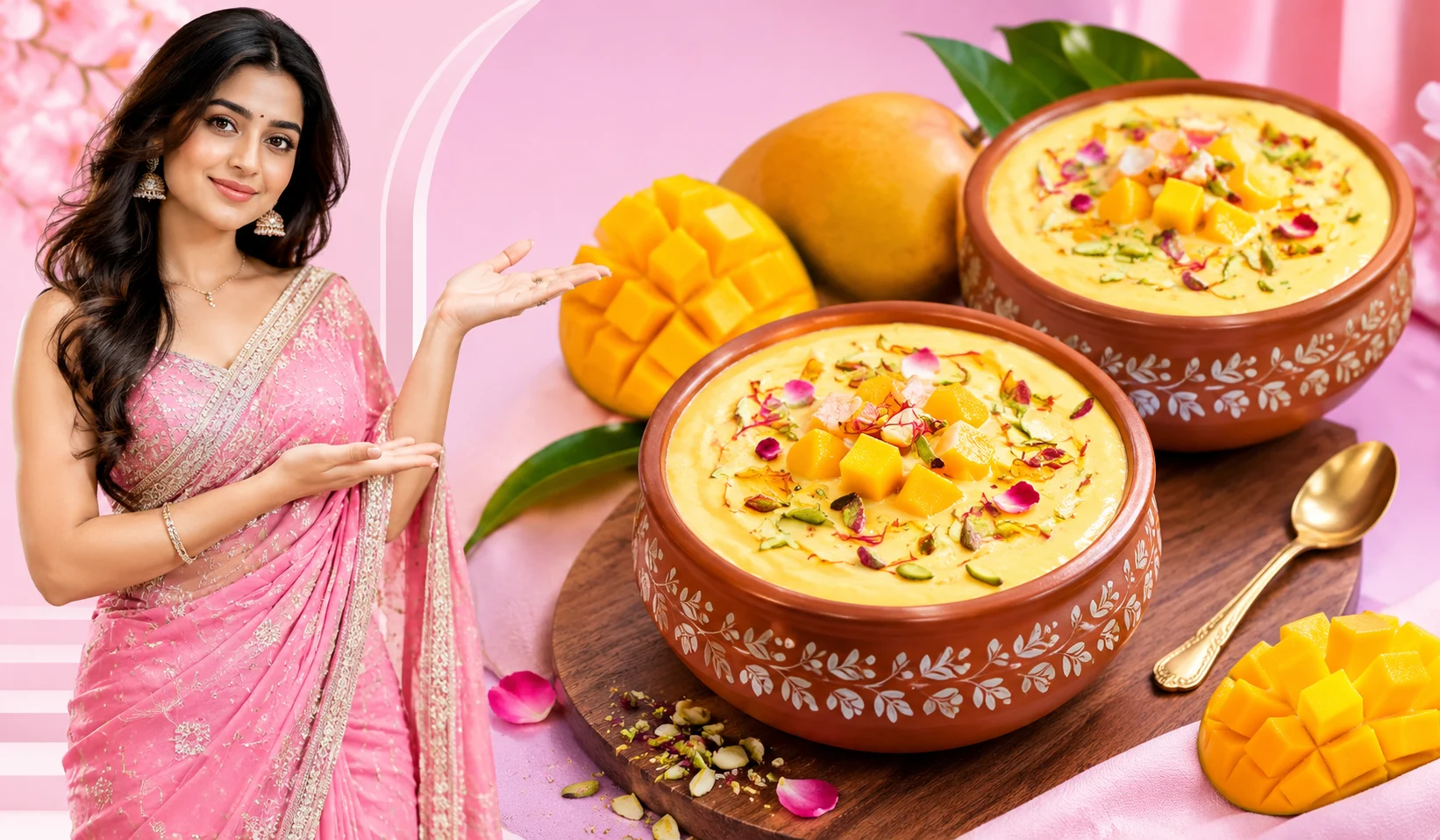
Even simple recipes benefit from professional kitchen wisdom. Here are my top tips to ensure your dessert turns out flawless:
- Use a Heavy-Bottomed Pan: Milk burns easily. A heavy pan distributes heat evenly and stops your phirni from tasting scorched.
- Stir Constantly: As the rice cooks and releases its starch, the mixture thickens quickly and tends to stick to the bottom. Keep a watchful eye!
- Chill Before Serving: Phirni tastes best when served ice-cold. Chill it in the refrigerator for at least 3 to 4 hours before diving in.
Easy Creamy Mango Phirni With Fresh Mangoes for Beginners
If you are intimidated by traditional Indian cooking, do not worry! This recipe is beginner-friendly. You do not need fancy gadgets—just a standard saucepan, a blender, and a wooden spoon.
Shortcuts That Actually Work
If you are pressed for time, you can use high-quality store-bought rice flour instead of soaking and grinding whole basmati rice. Just mix a tablespoon of rice flour with a little cold milk to make a slurry before whisking it into your boiling pot. It cuts down prep time significantly while keeping the authentic texture intact.
Cultural Context & Expert Perspectives
In South Asian culinary traditions, desserts made in clay pots (shikoras or matkis) hold a special place. Porous clay absorbs moisture from the phirni, cooling it naturally while adding an earthy, rustic aroma that elevates the entire tasting experience.
"The secret to exceptional phirni lies in patience. Let the milk reduce slowly so it captures the subtle essence of cardamom, allowing the fresh, vibrant fruit to shine at the end without overpowering the delicate rice base." — Chef Aarav Sharma, Culinary Consultant & Sweet Specialist
Expert pastry chefs emphasize that balancing the natural acidity of fresh fruit with the rich, milky sweetness of slow-cooked rice is what separates an average dessert from an unforgettable one.
Comparing Summer Treats: Homemade Mango Phirni vs. Restaurant Style Mango Phirni
| Feature | Homemade Mango Phirni | Restaurant Style Mango Phirni |
|---|---|---|
| Ingredients | 100% pure milk, fresh fruit, real basmati rice, natural sugar | May include commercial essences, thickeners, or food color |
| Freshness | Made fresh with zero preservatives | Prepared in large batches, often stored for days |
| Customization | Easily adjusted for sweetness and dietary needs | Fixed recipe, hard to alter |
| Cost | Cost-effective and budget-friendly | Higher markup pricing |
Mango Phirni vs. Mango Custard: What’s the Difference?
People often confuse mango phirni with mango custard, but they belong to entirely different culinary families!
- Mango Phirni relies on ground broken basmati rice for its thickening agent. It is slow-cooked, traditionally set in individual clay bowls, and features a dense, grainy-yet-smooth texture rooted in Mughal culinary heritage.
- Mango Custard uses cornstarch or custard powder whisked into milk, resulting in a glossy, pudding-like consistency that sets completely firm and relies on vanilla-flavored custard powder base rather than ground grains.
Read Also: Easy Indian Desserts Without Oven: 10 Best No-Bake Sweet Recipes
Frequently Asked Questions
Can I make Creamy Mango Phirni With Fresh Mangoes using frozen mango pulp?
Yes, you can use frozen unsweetened mango pulp if fresh mangoes are out of season. However, make sure to thaw it completely and drain any excess watery liquid so your phirni does not become runny.
How long can I store homemade mango phirni in the refrigerator?
Homemade mango phirni stays fresh for up to 2 to 3 days when stored in an airtight container in the refrigerator. Because it contains fresh fruit and dairy, it is best consumed within 48 hours for optimal flavor and safety.
Why did my mango phirni curdle?
Curdling usually happens if the mango purée is mixed into the rice base while it is still hot or warm. The natural fruit acids react with hot dairy and cause separation. Always let your cooked rice-milk base cool down completely to room temperature before stirring in the fresh fruit.
Can I use brown rice or basmati rice alternatives?
Traditional phirni relies strictly on white basmati rice because of its unique fragrance and high starch profile, which gives the dessert its signature velvety mouthfeel. Using whole grains or brown rice will alter both the texture and the classic flavor profile.
Conclusion: Time to Get Cooking!
There is nothing quite like the joy of sharing a homemade dessert with the people you love. Making Creamy Mango Phirni With Fresh Mangoes is a wonderful way to celebrate summer flavors, impress your guests, or treat yourself after a long week. Gather your ingredients, fire up your stove, and experience the pure comfort of this timeless classic. Happy cooking, and enjoy every single sweet spoonful!