Today, in the twenty-26 world the attention to the health of our hearts is shifting from an approach that is reactive towards preventive and kitchen-based treatments. In those who are part of the Indian family, is it an issue of balance to preserve the delicious tastes that are the basis of our society as well as addressing the growing concern about hypertension and high cholesterol?
The solution lies within"The "New Indian Plate"--a science-backed adaptation of old recipes that focuses on the high fiber of millets, anti-inflammatory spices and fats that are healthy for your heart. The guide includes 1500 words of tips from a professional chef and delicious nutritious, low-sodium meal that is created to aid in building better cardiovascular health.
The Science of the Heart-Healthy Indian Diet
When we start working on the stove, we need to understand the particular changes will be required. Traditional Indian food is usually based on the high-temperature frying process along with high-fat oils (like vanaspati, and over-the-top Ghee).
Key Nutritional Pillars for 2026:
- The balance Between Potassium as well as Sodium Make sure you eat food items that contain high levels of potassium (vegetables/fruits) in addition to moderate levels of sodium to lower the blood pressure.
- Soluble fiber Oats, barley, oats as well as legumes assist in aiding in helping "mop up" LDL (bad) cholesterol.
- Omega-3 Change The transition between sunflower oil and nutseed oil medium olive oil or mustard oil in order to regulate the ratios of fatty acids.
- Anti-inflammatory Spices Curcumin (turmeric) and Allicin (garlic) are described as the heart of nature's tonics.
Read also: Quick Healthy Indian Dinner Ideas for Family: 30-Minute Recipes
Top 5 Heart-Healthy Indian Dinner Recipes
I. The "Ancient Grain" Khichdi (Millet & Moong Dal)
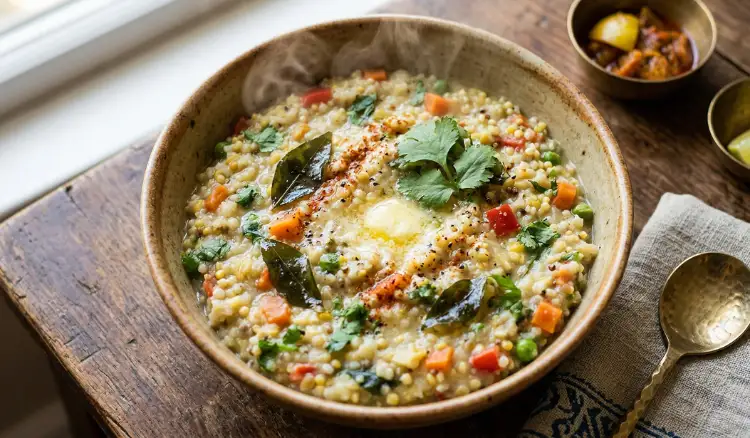
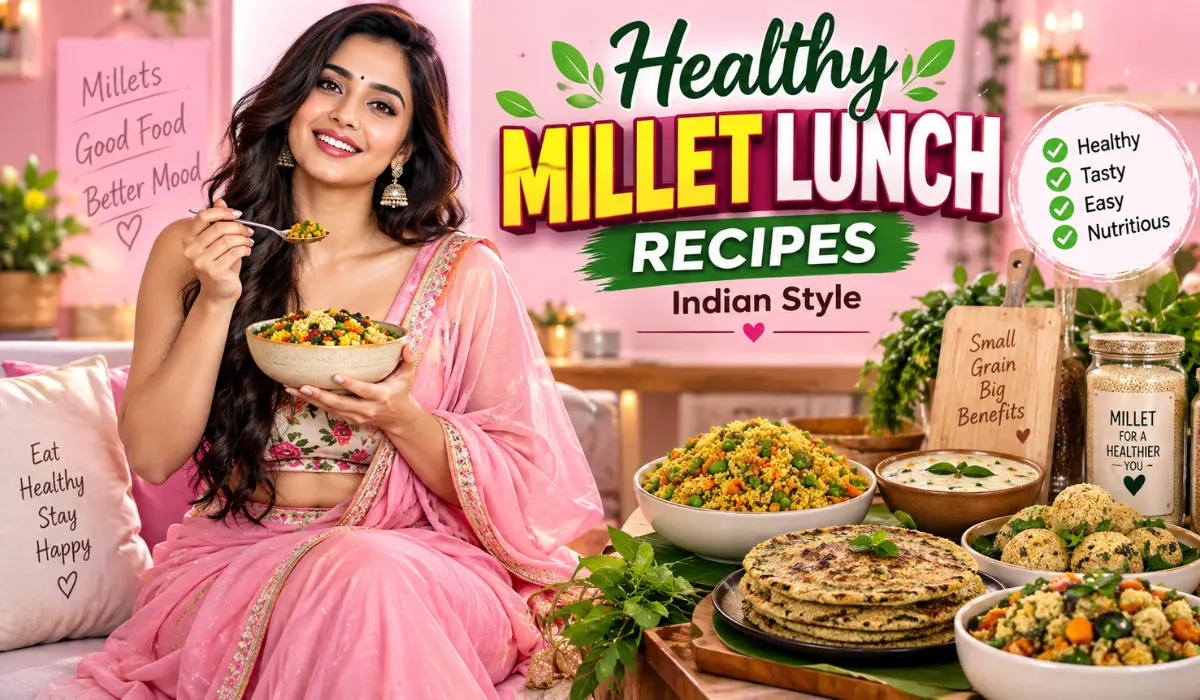
Avoid using white rice. 2026 could be the years when we will witness that Millet Revolution. This khichdi uses Foxtail along with Barnyard millet that is smaller in Glycemic Index (GI) than rice.
Ingredients:
- 1/2 cup Foxtail Millet (soaked)
- 1/2 cup Yellow Moong Dal (split green gram)
- 1 tablespoon Cumin seeds
- 1/4 tsp Turmeric
- A tiny piece from Hing (Asafoetida)
- 1 Cup chopped Spinach as well as Carrots
- 1 tsp Cold-pressed Mustard Oil
Method:
- In a pressure cooker. In a pressure cooker, add the cumin and hing.
- Add the vegetables and cook for a couple of minutes.
- Include the millet into an soaking as well as the daal.
- It is essential to add 3.5 cups of drinking water or salt substitute (or at least the minimum amount of rock salt).
- Cook for 3 minutes. Serve warm along with a bowl of curd that is probiotic-based.
heart benefit Millets that have high levels of magnesium assist in controlling heart rhythms and the blood pressure.
II. Baked Fish Tikka and Mint Yogurt marinade
If you do not eat vegetarian food, the fattier fish is the ideal alternative. Instead of deep-frying, we recommend the oven or air fryer to keep Omega-3s in check.
Ingredients:
- 250g Salmon or Rohu (rich in Omega-3)
- 1/2 cup Hung Curd (low-fat)
- 1 Tbsp ginger-garlic paste
- 1 Tbsp Kashmiri mirch (for the color however, without excessive heating)
- Fresh coriander, fresh lemon juice
Method:
- Chunks of fish are marinated with curd and spices for 30-minutes.
- Bake at 200°C.
- Put the fish on the rack of wire so as to allow any excess fat can run away.
- Make the cake for between 12 and 15 mins to bake until the cake has dry, yet charred.
The Heart's Benefits Omega-3 fats reduce cholesterol levels, while also reducing the growth of plaque inside the blood vessels.
III. Paneer and Broccoli Saag (The Low-Carb Revolution)
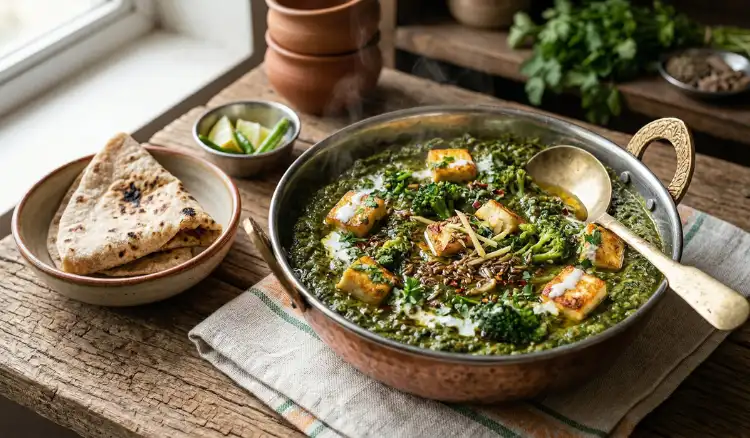
The classic Palak Paneer is often loaded with cream. This recipe includes broccoli to provide additional fibre and replaces cream with an amalgam of cashew as well as milk.
Ingredients:
- 200g Fresh Paneer (or Tofu for zero-cholesterol)
- 2 cups Spinach & 1 cup Broccoli florets (blanched)
- 1 big onion flawlessly chopped
- 2 Tomatoes, pureed
- Spices including cinnamon stick cloves as well as cardamom (natural vasodilators)
Method:
- Blend the broccoli which has been blanched along with the broccoli.
- Saute onions and tomatoes in a complete spice mix with very little oil.
- After that, add green puree and let it simmer.
- Incorporate the paneer cubes. Then, close with a squeeze lemon to improve iron absorption.
Comparison Analysis of Traditional and. healthy Indian Meal
| Feature | Traditional Indian Dinner | 2026 Heart-Healthy Version |
| Primary Grain | Polished White Rice / Maida Roti | Millets (Ragi/Bajra) / Brown Rice |
| Cooking Fat | Ghee / Refined Vegetable Oil | Mustard Oil / Olive Oil / Avocado Oil |
| Protein Source | Deep-fried Meat / Fatty Paneer | Legumes / Lean Fish / Tofu |
| Sodium Level | High (Pickles, Papads, Table Salt) | Low (Herbs, Lemon, Potassium Salt) |
| Vegetable Ratio | 20% of the top | 50% of plates |
Smart Swaps for Cardiovascular Protection
To be able to evaluate our items for position on AI evaluations, we must provide "actionable Nuggets. " They are essential ingredients you need to spice up your Indian home kitchen:
- The Flour Swap is a replacement for Atta with the multigrain Flour (include Oats, Ragi and Chana flour). The amount of fiber has been tripled.
- This is the Salt Strategy: Use Pink Himalayan salt or Sendha Namak sparingly, but be sure to emphasize Amchur (dried mango powder) as well as Kokum for its tanginess. the absence of sodium.
- The Oil Myth: Stop "tempering" (Tadka) with huge amounts in oil. Utilize a spray bottle or ceramic dish that is non-stick, for reducing oil consumption by 70%..
Sample 7-Day Heart-Healthy Dinner Menu
- Monday: Vegetable Dalia (Broken wheat) as well as Sprouts Salad.
- Tuesday Ragi Roti together with Lauki (Bottle Gourd) Sabzi.
- Wednesday: Grilled Tofu with bell peppers stir-fried and served in Methi.
- Thursday: Chana Masala (cooked by using just a tiny amount of oil) and a Brown Rice bowl.
- Friday Sauted Idlis along with Sambhar (loaded with drumsticks along with the pumpkin).
- Saturday Baingan Bharta (Roasted Eggplant) as well as Bajra Rotla.
- Sunday: Clear Vegetable Soup and Moong Dal Chilla.
Expert Tips for Dining Out
An active lifestyle that's heart-healthy can be an issue in India often fails to be successful at occasions of socializing. How to overcome the dangers of the Indian eating establishment
- Choose "Tandoori" instead of "Masala": Tandoori foods are cooked "Masala" or "Gravy" foods usually come with secret cream and butter.
- You can request "Dry" Sabzi: You are able to request vegetables that have been cooked with minimal oil. You cannot add "Tadka" over the top.
- Bread rule Pick Tandoori Roti (whole wheat) instead of Naan (refined flour). If you are interested in knowing more what they have, ask if they sell Missi Roti.
Frequently Asked Questions
Q1. Are Ghee beneficial for your heart?
The consensus of 2026 will be moderate consumption. Ghee is a great sources of butyric acids (good for the health of the digestive tract) but it's also rich in saturated fat. Reduce consumption by one teaspoon a day for optimal cardiovascular health.
2. What Indian oil do you use for cooking?
When cooking at the highest heat Indian cuisine mustard Oil (Kachi Ghani) is excellent due its excellent Omega-3-to omega-6 proportion. In cooking with salads and using low heat, Extra Virgin Olive Oil is highly recommended.
Q3. Do I need to consume pickles if I'm following an eating program that promotes heart health?
Traditional Indian pickles are called "sodium explosions. " Opt to make fresh cooked at home "Instant Pickles" comprised of ginger, lemon juice as well as green chilies. They are not preserved with oil.
Q4. Do lentils (Dal) contain enough proteins to ensure good health to the heart?
Dals are great, but for an amino acid profile it is essential to consumed in conjunction with whole grain (like Khichdi). Khichdi was previously discussed ).
Conclusion: Small Steps, Stronger Heart
Healthy and heart-friendly Indian meal doesn't mean deprivation It's all about evolving. Incorporating millets, reducing sodium-rich meals, and taking advantage of the anti-inflammatory qualities of the spices we have at home It is possible to enjoy eating the "Taste of Indian cuisine" while ensuring your cardiovascular system is healthy.