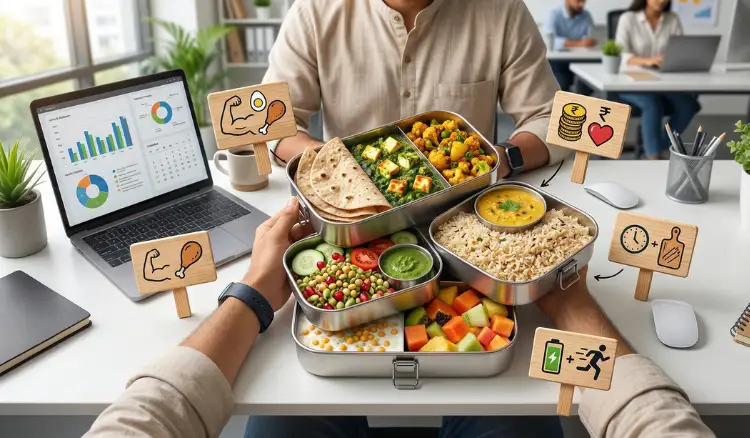
Post-lunch Slump "post-lunch slump" is a common corporate problem. It's all too familiar: After a meal that is heavy with oily parothas or a high-carb dish of white rice the energy levels drop at the exact moment you need to attend your 3:00pm meeting. In the Indian setting, "healthy" is often confused with "boiled and tasteless." Yet, Indian cuisine is a rich source of ingredients and spices which, when properly balanced can provide the right energy source for an efficient working day. This article offers creative nutritious, nutritionally dense, as well as practical nutritious Indian menu ideas for your workplace to keep you active and your taste buds happy.
The Anatomy of a Perfect Office Lunch
Before we get into the dishes, we need to understand what constitutes the work food item "healthy." An energizing Indian lunchbox must adhere to the Macro-Plate method:
- Proteins (25 percent): Crucial for recovery of muscles and for keeping your body fully fueled (Dal, Paneer, Chana, Eggs, Lean Chicken).
- Fiber and Micronutrients (50 percent): Vegetables (Sabzi) and salads with fresh ingredients.
- Complex Carbohydrates (25 percent): Sustained energy (Brown rice, Millets Whole wheat and Quinoa).
- Healthy Fats To support the health of your brain (Ghee nuts, ghee, and seeds).
1. The Power of Millets: The Ancient Superfood
White rice is an essential and is a staple, however, its higher glucosemic index can lead to the dreaded afternoon fatigue. Making the switch to millets like Jowar (Sorghum), Bajra (Pearl Millet) and Ragi (Finger Millet) is a game-changer.
Jowar Vegetable Pulao
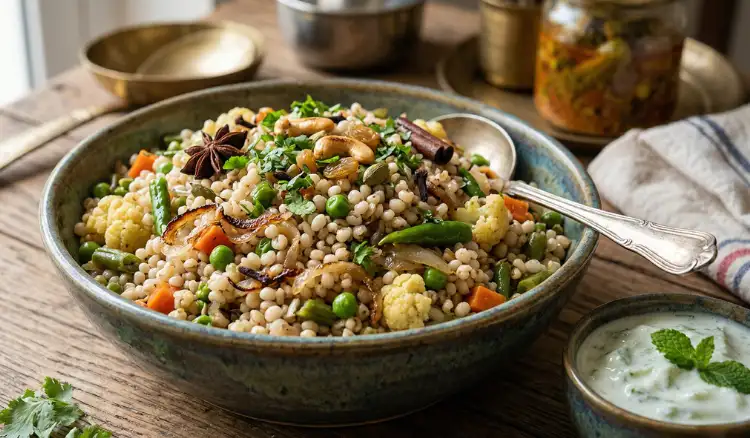
Instead of the traditional Biryani instead, you can try instead a Jowar Pulao. Jowar is free of gluten and packed with fiber.
- The Construction: Soak Jowar pearls over night. Cook with cumin, cloves onion, peas, carrots and beans.
- The reason it works: It's a slow-release carb which helps prevent spikes in blood sugar.
- Tips for Pros: Serve it up with the cucumber raita for keeping the drink hydrated.
Ragi The Rotis is paired with Sabzi Seasonal
Ragi is a great source of calcium. Change your refined flour Rotis in favor of Ragi Rotis and serve them with dried aloo gobhi (made by using a minimum amount of oils) and Bhindi Masala.
2. High-Protein Vegetarian Delights
In the case of vegetarians, achieving the protein goals can be difficult. It is important to mix legumes, whole grains and dairy.
Paneer and Sprouted Moong Salad
It's the perfect "no-reheat" lunch.
- The recipe: Toss steamed sprouted green moong, chopped raw paneer, diced onions, tomatoes and the seeds of pomegranate. Add chaat masala, lemon juice and a dash of salt black.
- Benefits: High protein, high fiber and no "food coma" potential.
Chana Masala with Quinoa
Though Quinoa doesn't have the traditional flavor of Indian It is delicious well with Chole or Chana Masala. Quinoa provides a comprehensive protein profile which white rice does not have.
-
Food Preparation: Prepare a huge quantity of Chana Masala on Sunday. It can be stored in the refrigerator for 3 to 4 days.
3. Lean Protein for Non-Vegetarians
If you like meat make sure you choose lean meat dishes instead of heavy gravies made of cream, such as Butter Chicken.
Grilled Tandoori Chicken Skewers with Mint Chutney
- The Building: Marinate chicken breast with yogurt and spice. Grill it or air fry. Serve it up with a huge portion of sauteed bell peppers as well as onions.
- What it does: It's low in calories yet incredibly rich in protein. This keeps the hunger pangs until dinner.
Egg Bhurji (Indian Scrambled eggs) made with multigrain toast
Egg Bhurji can be prepared quickly and can be carried easily. It is packed with tomato and spinach to get extra vitamins. Combine it with two slices toasty multigrain bread, in place of buttery pav.
4. The "One-Pot" Time Savers
If you're late to the office, cooking in one pot is an absolute lifesaver.
Dal Khichdi 2.0 (The Healthy Reboot)
Traditional khichdi tastes great and delicious, however "Healthy Khichdi" uses a 2:1 ratio of lentils and rice.
- The twist: Add oats or broken wheat (Dalia) in place of rice. Include a handful of leaves of spinach (Palak) or Fenugreek (Methi) leaf.
- Nutritional Benefits: This provides a healthy amino acid profile, and lots of iron.
Vegetable Masala Oats

Avoid the sugar-laden prepackaged varieties. Make use of rolled oats and mix in ginger, turmeric along with green chilies, turmeric, along with lots of frozen peas and carrots. It will take 10 minutes to prepare and tastes as a sweet porridge.
5. Smart Swaps for Indian Office Lunches
For the best results from your recipes Make these substitutes:
| In place instead... | Try... |
| White Rice | Brown Rice, Quinoa, or Foxtail Millet |
| Refined Flour (Maida) | Whole Wheat or Multigrain Flour |
| Cream/Malai | Whisked Greek Yogurt or Cashew Paste |
| Deep Frying | Air-frying or Roasting |
| Potato Side Dish | Sweet Potato or Raw Banana (Kacha Kela) |
6. Cold Lunch Options for Busy Days
Sometimes, the microwave in your office is running low, or you're sitting at work between meetings. It's cold. Indian lunches are often delightful.
Curd Rice with Healthful Twist
Curd rice cools and is beneficial for digestive health.
-
upgrade: Use brown rice or oats that have been whisked. Mix it up by mixing curry leaves, mustard seeds as well as a handful of ginger. Incorporate grated carrots, beetroot and some grated carrots to give it a vibrant boost of nutrients.
Kathi Rolls (The Healthy Way)
Make use of a wrap made from whole wheat. Instead of using greasy kebab fillings make use of a mixture of cooked tofu along with bell peppers along with an fruit-based yogurt spread. Do not use mayonnaise or commercial ketchups.
7. Strategies for Successful Meal Prepping
The most significant obstacle to having eating a nutritious lunch is time. This is how to make sure you don't use"order-food" on "order food" app:
- A Sunday-time Chop Clean and chop your entire vegetable (onions as well as beans, carrots and other vegetables) in the evening of Sunday. Keep them in airtight container.
- Boil Your Bases Boil chickpeas and kidney beans or lentils ahead of time. They can be transformed into salads or even a simple curry within minutes.
- The "Dry Sabzi" Rule: for office lunches, dry veggies ( Sukhi Sabzi) is better than gravies. They're less dirty, easy to carry and, in general, contain less calories.
- Make an investment in high-quality Glassware: Glass containers ensure freshness and keep food in good condition. They are also better suited to microwave cooking as compared to plastic.
8. Addressing the "Sugar Craving" Post-Lunch
A lot of Indians are known for snacking on something sweet at lunchtime. Instead of biscuits or piece or mithai you can try:
- A tiny piece of 70 70% dark chocolate.
- Some almonds soaked in water or walnuts.
- A tiny cup of curd and honey drizzled over it.
9. Hydration: The Forgotten Component
Sometime, what we see as fatigue or hunger is in fact dehydration.
- Buttermilk (Chaas): The most awaited Indian workplace drink. It improves digestion, and helps keep your body hydrated, without the calories that come with juice or soda.
- Infused Water Mix mint, cucumber, and lemon into the water bottle.
Conclusion: Small Changes, Big Impact
Consuming a balanced Indian lunch for work isn't a matter of restriction, it's all about substituting and balancing. When you replace simple carbohydrates with more complicated ones, focusing on proteins and loading up with seasonal fruits and vegetables it can completely change your working day experience.
It will be evident that you have improved concentration, improved digestion as well as more energy for nighttime events. Begin by selecting two meals from the following list to prepare to prepare for your week ahead. Your body, and even your boss, will be grateful to for your newfound efficiency.
Frequently Asked Questions
Q: How do I prevent my rotis from getting hard by lunchtime?
A: Use a small amount of milk or curd when you're working the dough. Finally, cover them with a soft paper or foil and place them in an airtight container.
Q: Can I eat rice and still lose weight at the office?
A: Yes! You can control the amount (about 1/2 - 1 cup) and ensure that it's coupled with a second serving of vegetables that are high in fiber and also another protein source.
Q: Is it okay to eat curd at the office during winter?
A: It is true that curd is considered to be a probiotic. If you're concerned about catching colds, take it warm rather than cold in the refrigerator.