The school day can be very long and it's vital that children maintain their focus and energy to be successful in their academics and other extracurricular activities. Healthy Snacks For School Lunches healthy snacks play an important role in providing the required nutrition for children to stay active and focused. Instead of turning to sweet snacks or processed food parents and caregivers should select healthy choices that are not only delicious but also improve overall health.
Healthy snacks are not simply a means to reduce appetite; they provide an opportunity to make sure that your children are getting proper nutrition for their minds and bodies. The following article we'll examine the most healthy and nutritious snacks to take for school lunches. We will also discuss how to make them enjoyable, and how they impact your child's health.
What Makes a Snack Healthy?
A nutritious snack should contain an adequate amount of nutrients like proteins and healthy fats, as well as vitamins, and fiber. These nutrients aid in growth in development and maintenance of energy levels. In contrast to processed or sugary snacks that can trigger energy surges that can be that can be followed by crashes, nutritious snacks can keep kids fuller for longer and maintain steady glucose levels all throughout the day.
When picking snacks for school, it is important to look at the ingredients - whole natural, unprocessed food is always the best option. For instance, fresh fruits vegetables, whole grains along with lean protein sources are loaded with nutrients that feed the brain and body.
Top 5 Healthy Snack Options for School Lunches
There are numerous healthy snacks to be included in school lunches. It's essential to select items that are simple to cook healthy, tasty, and attractive to children. One of the most effective snack options is a nut and fruit mix. It is not just delicious, but it is also loaded with protein, healthy fats and fiber that will keep you going throughout the school day. A mixture of cashews and almonds as well as dried cranberries are a fantastic snack that kids will adore.
Another option is vegetables served with Hummus. Vegetables like cukes, carrots as well as bell pepper slices are all easy to dip and are packed with punch when it comes to minerals and vitamins. Hummus, which is made of chickpeas is a great source of fiber and protein, making it a healthy dip that children will love. For a snack that's healthy and filling Try whole grain crackers topped with cheese. Whole grains contain essential fiber, and cheese is an excellent source of calcium and protein.
The combination of yogurt and berries makes a tasty and healthy option for a snack. Yogurt is an excellent source of probiotics, which help to improve digestion, and the berries are loaded with antioxidants. Together, they create delicious and nutritious snacks. If you're looking for a high-protein low-calorie choice, you can try boiling eggs and vegetables. Eggs are high in proteins, vitamins, and minerals essential to development and growth.
Read also: Healthy Vegetarian Lunch Ideas for Weight Loss
How to Make School Snacks Fun and Appealing
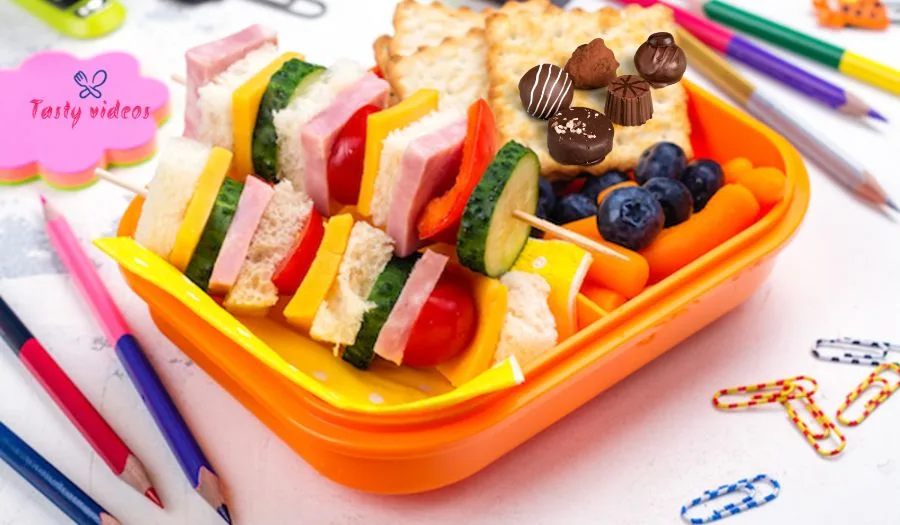
Making healthy snacks fun for kids is important to get kids to eat their food. Children are more likely to take in snacks that are visually appealing and simple to take in. A creative presentation can help to make snacks look more attractive.
You can, for instance, cut fruit and vegetables into fun shapes with cookie cutters. Bento boxes for snacks are an excellent way to arrange healthier snacks in a manner that's visually appealing as well as easy for children to consume.
Easy DIY Healthy Snacks for School Lunches
One of the most effective methods to make sure your child gets healthy meals is to make snacks at your home. DIY snacks are not just affordable, but they also let you manage the ingredients. A few healthy and easy DIY snacks include homemade cereal drinks, fruits smoothies and vegetable wraps.
You can make the meals ahead of time and then take to school the day prior to. These snacks aren't just healthier than the store-bought alternatives however, they're also customized to the preferences of your child.
How to Customize Snacks Based on Age and Preferences
As children grow as they get older, their needs for snacks shift. For young children, the snacks should be simple and easy to consume, and entertaining. Small chunks of fruit, cubes of cheese or veggie sticks can be great for preschoolers and toddlers. Children who are older are, however could require larger snacks to ensure they are satisfied all day long.
For teenagers, you should consider bigger portions of snacks or meals that incorporate different food groups, for example a whole grain wrap that is filled with lean protein and vegetables. The ability to customize snacks according to preference and age ensures that your children get the right amount of nutrition for their stage of development.
Balancing Taste and Nutrition in School Snacks
One of the biggest issues parents face is finding snacks that are healthy and fun for children. Although kids might be enticed to go for sweet snacks, it's important to strike a balance between taste and nutritional. One method to achieve this is to incorporate traditional flavors into nutritious snacks.
For example, if your child is a fan of peanut butter, combine apples with peanut butter to make an enjoyable and healthy snack. It is also beneficial for you to start introducing new tastes slowly. For instance, if your child isn't an eater of veggies Try introducing them in a fun way such as dipping them into a delicious Hummus sauce.
Integrating Whole Foods into Snacks
Whole foods are an important component of a healthy lifestyle and must be included into school snacks as often as feasible. Whole grains, like whole wheat and oats, are high in fiber and can help to maintain a steady energy level. Healthy Snacks For School Lunches fruits and vegetables offer a variety of minerals, vitamins, and antioxidants to support the immune system and general health.
Incorporating whole foods into snacks doesn't just make them healthier, but also makes sure that children get the most diverse nutrients. For instance whole grain crackers with hummus and vegetables provide a balanced nutritious, whole food snack.
Benefits of Hydration Alongside Healthy Snacks
Drinking water is as crucial as eating healthy snacks. The lack of water can cause headaches, fatigue, and a difficult time concentration. It's the reason it's so important to encourage children to drink plenty of water or other drinks that are hydrating alongside their meals.
Milk, water, and mixed fruit juices are excellent options to keep kids well-hydrated throughout their school days. A child who is well-hydrated has a better chance to remain engaged and be more successful in the classroom.
Read also: Step-by-Step Guide to Perfect Egg Salad
Common School Snack Mistakes to Avoid
Although healthy foods are important but there are some frequent mistakes parents do when preparing school snacks. One of the biggest blunders is consuming too much sugar in snacks. Sugary snacks can give children an energy boost in a short time but they usually result in energy-related crashes later during the day.
In addition, foods that are processed must be avoided as they typically contain unhealthy fats, excessive sodium as well as artificial ingredients. It is important to carefully read the labels on ingredients and stay clear of snacks with artificial ingredients.
How to Teach Kids Healthy Eating Habits
Making sure children are taught healthy eating habits in the early years will set them up to live a long time with good nutrition. One of the most effective methods to achieve this is to model healthy eating habits. Kids are much more inclined adopt healthier habits when they observe their parents or guardians taking healthy decisions.
Another way to promote healthy eating is to involve children in the snack making process. When kids help select and cook their own meals They are more likely to appreciate their food and feel a sense of responsibility for their food choices.
Cost-Effective Healthy Snack Ideas
Healthy snacks needn't cost you a fortune. With a bit of planning you can make healthy snacks for your children without spending a fortune. purchasing bulk quantities of ingredients like cereals, whole grain and dried fruits, will help you save money in the long term.
Making snacks at home helps you avoid paying the cost of pre-packaged snacks. Healthy Snacks For School Lunches making the granola bars at home and fruit cups is an affordable method of providing your child with healthy and nutritious food.
Special Considerations: Allergy-Free and Dietary Preferences
If your child has food allergies or other dietary restrictions, it's important to pick foods with a safe ingredient and suit the needs of children. Nut-free, gluten-free snacks as well as vegan options are just a few examples snacks that can accommodate diverse diet preferences.
It's crucial to be aware of the most common allergens including tree nuts, peanuts gluten and dairy when you prepare school meals. Be sure to read the labels thoroughly and select snacks that are suitable for the dietary requirements of your child.
How to Store and Pack Snacks Properly
The proper storage and packing is crucial to ensure that snacks are fresh and safe to consume. Food items should be stored in airtight containers to preserve their freshness and avoid contamination. When packing food items such as smoothies or yogurt, think about having insulated containers or cooler containers to ensure they are at a suitable temperature. Organizing your snacks inside a lunchbox, or bento box will ensure that they remain tidy and easily accessible.
Read also: Top 10 Ingredients for Stuffed Peppers with Rice
Conclusion: Healthy Snacks For School Lunches
Incorporating healthy foods in your child's daily routine is an easy but effective method to improve the overall wellbeing and performance of their academics. Healthy Snacks For School Lunches through choosing nutritious and nutrient-rich snacks that are enjoyable and attractive, parents can ensure that their children are alert and focused through the entire day. Making healthy snacks a habit from the age of 3 sets children on the road to the future of good nutrition.
It doesn't matter if you pack fruit along with nuts, yogurt containing berries and nuts or vegetables and hummus, the possibilities for healthy and nutritious snacks are limitless. So, next time you're cooking meals for your child, be sure to choose healthy, whole food options that nourish their bodies and minds.