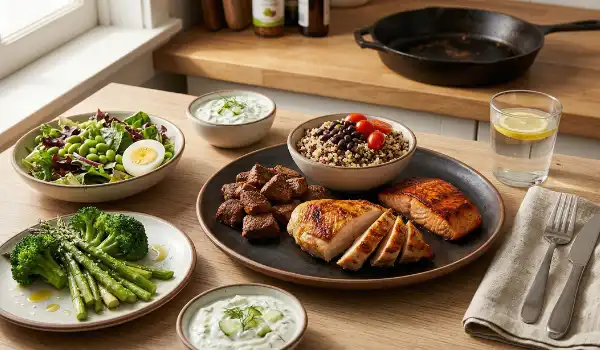
The sun is setting after your exercise is completed and your muscles have begun to cry out for help. It's not just about a meal but it's the most important recuperation window. When you opt for high-protein, protein-rich meals it's not just about eating to satisfy your hunger, but you're providing the basic ingredients your body needs for regaining strength, slimmer, and more resilient. So let's transform your dinner into an energy source of muscle-building potential.
What are High Protein Dinner Meals For Muscle?
Dinner meals with high protein are meals specifically designed to give the highest amount of amino acids, typically around 30-50 grams of protein per serving. The meals are based on healthy meats, poultry, fish or plant-based protein sources such as lentils and tempeh.
Contrary to light breakfasts or lunch that is quick the typical meal for muscle building blends the protein with complex carbohydrates as well as healthy fats. This ensures that the protein will be used in the process of synthesising muscle proteins (MPS) instead of being used for instant energy and assisting the body's recuperation period in the night.
Why is High Protein Dinner important right now?
In today's fitness environment We are shifting toward a "starvation" mindset and toward "metabolic fueling." The research shows that muscle protein synthesis can be optimal when the protein intake is spread equally throughout the day instead of being crammed into just one time.
Additionally in the same way, when "sleep hygiene" becomes a popular wellness concept and a key component of that is eating a protein-rich meal is vital. A diet rich in proteins (specifically ones that are high in tryptophan and casesin) prior to bedtime will improve sleeping quality and stop the breakdown of muscles (catabolism) in the 7-9 hours of fasting while you rest.
Read also: 10 best Indian vegetarian dinner recipes & ideas Indian style
Key Benefits of Protein-Rich Dinners
- Accelerated Muscle Recovery A diet high in protein supplies the leucine needed in order to "flip the switch" on the growth of muscle.
- Enhances Satiety Protein is the most satisfying macronutrient which can prevent you from snacks of processed or sugary meals.
- Metabolic Boost The effect of the thermogenic foods (TEF) is greater in protein. This means that your body expends more calories by going through it than carbohydrates or fats.
- Improved Body Composition High-protein diets help keep lean muscle mass intact even when you're in an occasional loss of calories.
How to Use Protein to Build Muscle
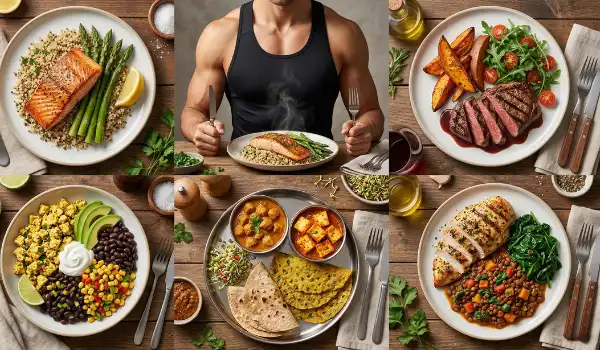
In order to maximize the effect of your meal, try to create an "complete" protein profile. That means that your food is a complete meal that contains all nine amino acids.
The Strategy:
- Choose Your Base Select a source of protein that is lean such as chicken breasts, salmon or tofu.
- Include the word "Porter": Complex carbohydrates like sweet potatoes and the quinoa aid in transporting amino acids to muscle cells by triggering an insulin response.
- Maximize the Volume Make sure you fill half of your plate with fibrous veggies (broccoli and spinach, etc.)) to help digestion by providing fiber.
Real-World Examples & Practical Use
1. The Classic Lean Power Bowl
An essential for those who train A must-have for athletes: 150g of chicken breasts one cup of cooked quinoa, as well as the addition of some roasted asparagus. It's about 45g of protein as well as a constant increase in energy.
2. The Omega-3 Muscle Builder
Baked salmon served with lemon and dill crust. Served with mashed red potatoes, and steaming green beans. Salmon is a source of protein and anti-inflammatory fats which can help ease the soreness that occurs after a workout.
3. Plant-Based Strength
A delicious dish of chickpeas and lentils that is made from coconut milk. It's served with brown rice. In combining grains with legumes to create a full amino acid profile which is vital for recovery of muscle.
Common Mistakes or Myths
- Myth "More is Always Better"--Eating 100 grams of protein at dinner isn't a guarantee that your growth rate will double. The body's limit is in regards to the amount of MPS it is able to trigger in a single session (usually between 40-50 grams). In excess, it is often converted into energy.
- False: Not eating Carbs--Many believe that "protein-only" is the way to get there. But, without carbohydrates the body could make use of that protein expensive for fuel instead of building muscle.
- The mistake: not paying attention to hydration--High intake of protein needs more fluids for kidneys to break down the urea. Make sure to pair meals with lots of water.
Expert Insights & Trusted Facts
The most frequently mentioned by nutritionists is"the "Leucine Threshold." Leucine is an amino acid responsible for starting the growth of muscles. Many experts advise taking at minimum 2.5 -3 grams of the amino acid leucine in each meals.
"It's not just about the total grams of protein, but the quality. Animal proteins and soy are generally higher in leucine, making them highly efficient for dinner-time recovery." -- Sports Nutrition Consensus.
Who Should Consider This?
Everyone needs protein, these particular recipes that contain high levels of protein are great for:
- Bodybuilders and Strength Athletes: Those looking to enhance hypertrophy.
- Fast-paced Professionals: People who may not have met their protein goals when they were working at a high speed.
- Ageing Adults: To combat sarcopenia (age-related loss of muscle) A higher intake of protein during dinner can be extremely advantageous.
- individuals on weight loss Journeys In order to make sure that weight loss is derived from fat and not muscles.
Read also: Low Calorie Dinner Ideas for Weight Loss
Pros and Cons
| Pros | Cons |
| Maintains muscle mass during sleep | Could be costly (meat/fish price) |
| Eliminates cravings for late night snack foods | Requires more meal prep time |
| Helps maintain hormonal health and repair | Excess intake can cause digestive bloat |
| Increases metabolic rate overnight | High-red-meat intake can impact heart health |
FAQs
What amount of Protein do I truly require for dinner?
To build muscle, aim to get 0.4g up to 0.5g of protein for every kilogram of body mass in the dinner you eat. The majority of people will fall between 30g to 50g.
How can I increase my muscle mass by eating a vegan meal?
Absolutely. All you need is to be more careful. Mix sources such as rice, beans hemp seeds, hemp seeds as well as Greek yogurt so that you have all the amino acids you need.
Do you think it is okay to have a protein-rich breakfast prior to the bed?
Ideally, you should eat for 2-3 hours prior to bedtime in order the body to process. If you consume food right before going to bed, opt for "easier" proteins like grilled fish or shakes of protein.
Final Verdict
Protein-rich dinners can be the foundation of any fitness program that is successful. When you focus on sources of high-quality while balancing them against micronutrients, and not falling into getting caught in the "protein-only" trap, you can set your body up for the best performance. It doesn't matter if it's a steak grilled or a bowl full of protein-packed lentils, making your dinner a nutrition powerhouse is the quickest approach to reap the benefits of all your hard work at the fitness center. Be consistent and ensure it's tasty and you'll see the results follow.